

Biology Concept Notes for Class 12: Chapter 07 Human Health and Diseases
Access comprehensive revision notes for Chapter 07 Human Health and Diseases using the CBSE Class 12 Biology Human Health And Disease Notes Set 01. Designed to align with the 2026-27 academic syllabus for Class 12 Biology, these concept summaries help students streamline their exam preparation and review complex topics efficiently.
Download Chapter 07 Human Health and Diseases Revision Notes PDF
Access the complete concept summary PDF for Chapter 07 Human Health and Diseases below. Regular review of these targeted notes builds familiarity with complex Class 12 Biology themes and helps secure higher marks in final school evaluations.
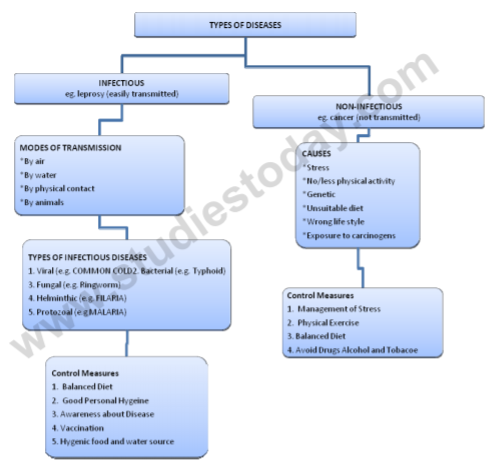
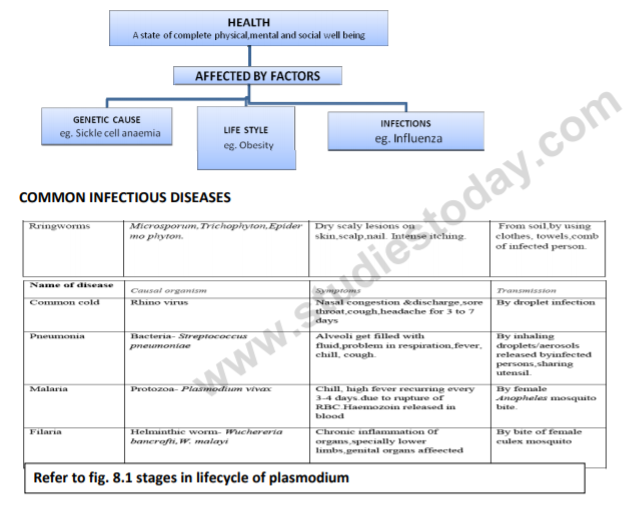
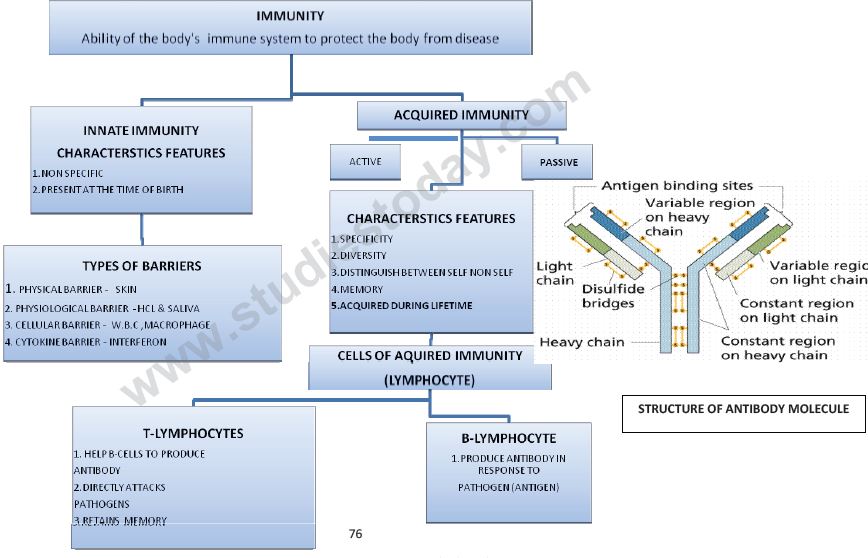
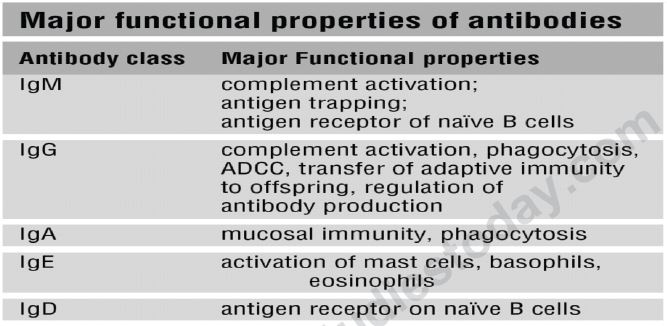
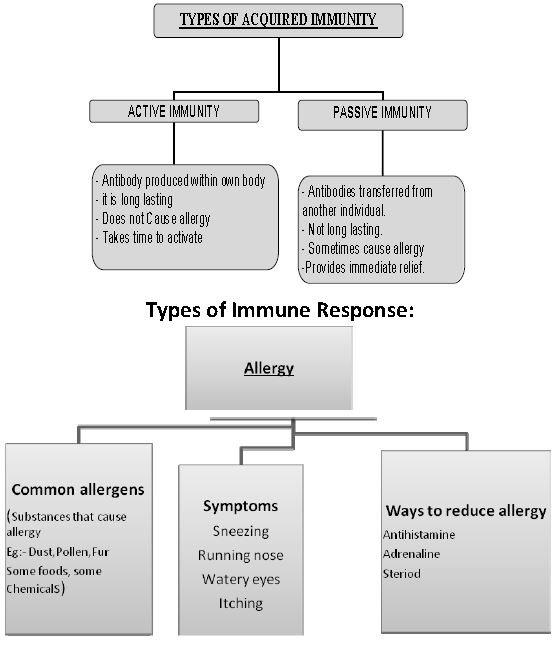
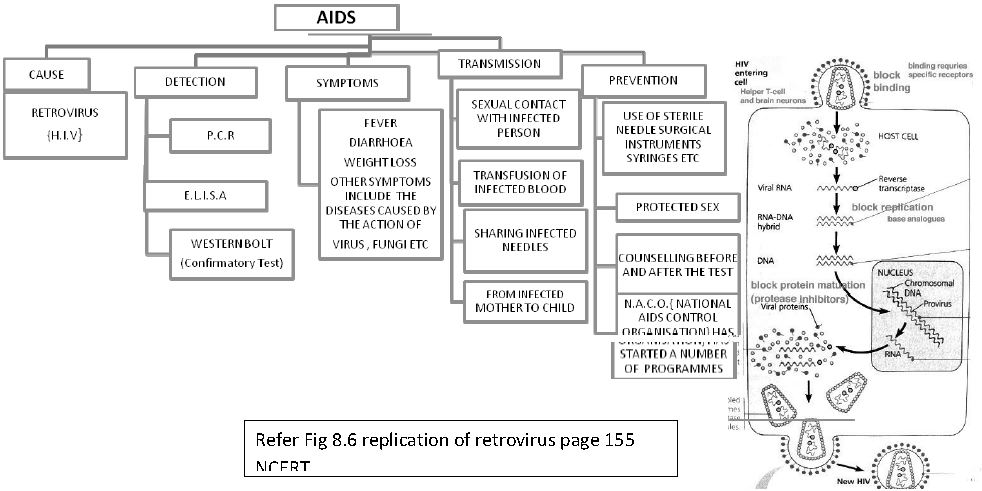
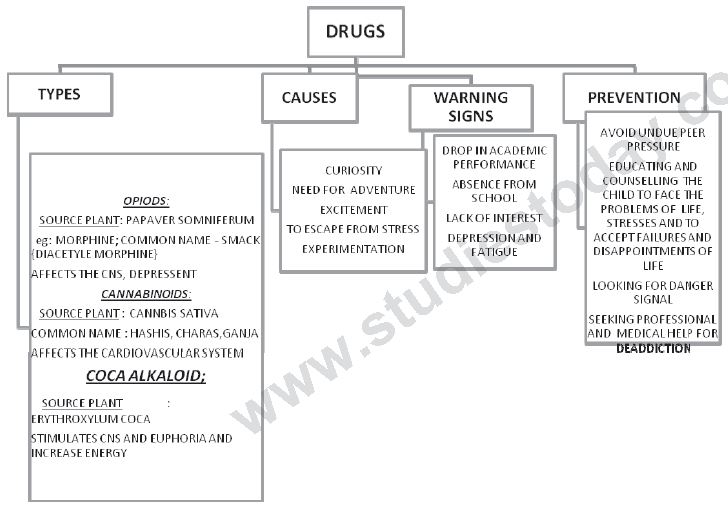
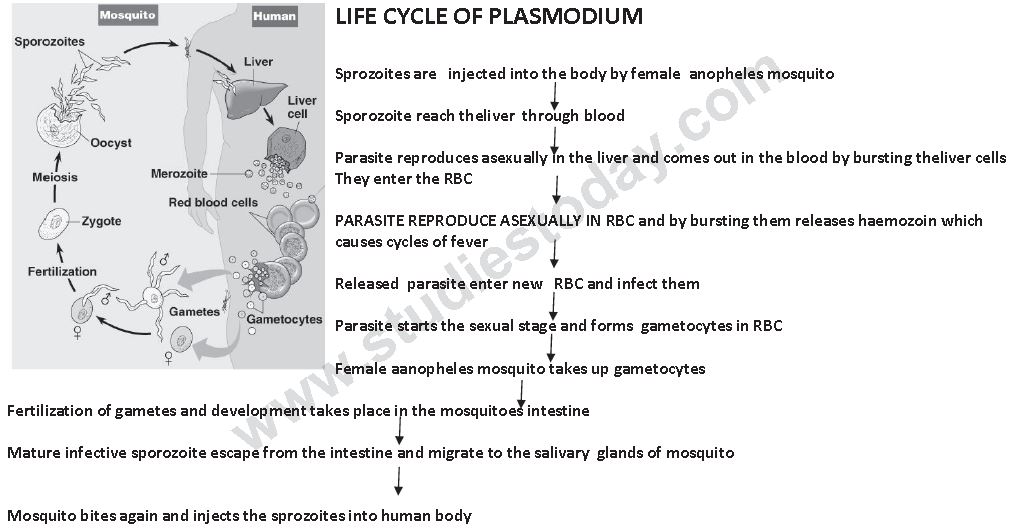
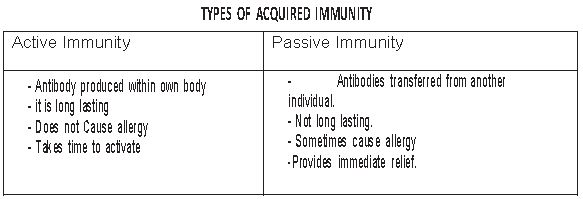
Vaccination and Immunization Vaccination refers to the administration of any vaccine. Immunization is the process by which the body produces antibodies in response to the vaccine to fight infections. Vaccine is a preparation of antigenic proteins of pathogens or inactivated/weakened pathogen. It is introduced into the body to generate antibodies which can neutralize the pathogens during actual infection. Vaccines also generate memory B & T cells that recognize the pathogens quickly. Vaccines that contain performed antibodies produce quick immune response and provide Passive Immunity e.g. vaccines against tetanus & snakebite. Other vaccines provide Active Immunity e.g. oral polio vaccine, BCG, cholera vaccine.
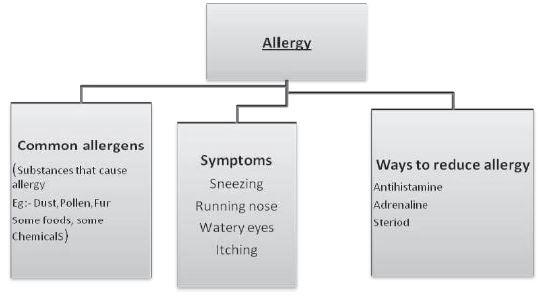
Allergies The exaggerated response/hypersensitiveness of the immune system of a person to certain antigens coming in contact with or entering into the body is called allergy.
Auto‐immunity It is a condition when structural & functional damage is caused due to the attack of the self cells of the body by its own immune cells .Examples : Rheumatoid arthritis, Insulin‐ dependent diabetes.
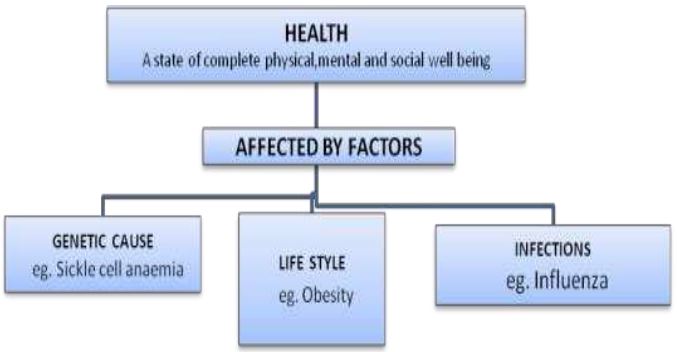
Vaccination and Immunization Vaccination refers to the administration of any vaccine.
Immunization is the process by which the body produces antibodies in response to the vaccine to fight infections. Vaccine is a preparation of antigenic proteins of pathogens or inactivated/weakened pathogen. It is introduced into the body to generate antibodies which can neutralize the pathogens during actual infection. Vaccines also generate memory B & T cells that recognize the pathogens quickly. Vaccines that contain performed antibodies produce quick immune response and provide Passive Immunity e.g. vaccines against tetanus & snakebite. Other vaccines provide Active Immunity e.g. oral polio vaccine, BCG, cholera vaccine.
Allergies The exaggerated response/hypersensitiveness of the immune system of a person to certain antigens coming in contact with or entering into the body is called allergy.
Auto-immunity It is a condition when structural & functional damage is caused due to the attack of the self cells of the body by its own immune cell. Examples : Rheumatoid arthritis, Insulin- dependent diabetes.
Question. Which of the following viruses is not transferred through semen of an infected male?
(a) Hepatitis-B virus
(b) Human immunodeficiency virus
(c) Chikungunya virus
(d) Ebola virus
Answer : C
Question. Durg called ‘heroin’ is synthesised by
(a) acetylation of morphine
(b) glycosylation of morphine
(c) nitration of morphine
(d) methylation of morphine
Answer : A
Question. Which part of poppy plant is used to obtain the drug smack?
(a) Roots
(b) Latex
(c) Flowers
(d) Leaves
Answer : B
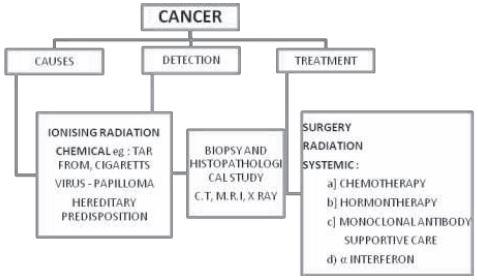
Question. The uncontrolled proliferation of cancerous cells produces masses of cells, called
(a) tumours
(b) neoplastic cells
(c) protooncomass
(d) Both (a) and (b)
Answer : D
Question. Which form of tumour remains confined to their original location and do not spread to other parts of the body?
(a) Malignant tumour
(b) Benign tumour
(c) Both (a) and (b)
(d) Leukaemia
Answer : B
Question. Transformation of normal cell into cancerous cell is induced by
(a) carcinogens
(b) lipids
(c) proteins
(d) All of these
Answer : A
Question. Physical carcinogens, e.g. UV-ray, X-ray and g-rays cause
(a) DNA damage
(b) RNA damage
(c) Both (a) and (b)
(d) Protein damage
Answer : A
Question. Chemical carcinogens present in tobacco smoke have been identified as a major cause of
(a) lung cancer
(b) liver cancer
(c) oral cancer
(d) None of these
Answer : A
Question. When an apparently healthy person is diagnosed as unhealthy by a psychiatrist, the reason could be that
(a) the patient was not efficient at his work
(b) the patient was not economically prosperous
(c) the patient shows behavioural and social maladjustment
(d) he does not take interest in sports
Answer : C
Question. A person with sickle-cell anaemia is
(a) more prone to malaria
(b) more prone to typhoid
(c) less prone to malaria
(d) less prone to typhoid
Answer : C
Question. Cancer causing viruses are called
(a) oncogenic viruses
(b) retroviruses
(c) adenoviruses
(d) poxviruses
Answer : A
Question. The genes which can lead to the oncogenic transformation of the cells in which these are present, are called
(a) oncogenes
(b) proto-oncogenes
(c) cellular oncogenes
(d) Both (b) and (c)
Answer : D
Question. Normal cell have genes called ........A..... which are present in inactivated state but under certain conditions like .....B... they get transformed to ...C.... Here A, B and C refers to
(a) A–cellular oncogenes, B–mutation, C–cancer causing oncogenes
(b) A–viral oncogenes, B–mutation, C–disease causing genes
(c) A–viral oncogenes, B–mutation, C–tumour causing genes
(d) None of the above
Answer : A
Question. Smoking addiction is harmful because smoke produces polycyclic aromatic hydrocarbons, which cause
(a) reduction in oxygen transport
(b) increase in blood pressure
(c) cancer
(d) retardation of growth of foetus
Answer : C
Question. In heavy smokers, the alveoli of the lungs are enlarged and damaged, which reduces the surface area for the exchange of respiratory gases. This condition is called
(a) asthma
(b) silicosis
(c) emphysema
(d) insomnia
Answer : C
Question. Carcinogen present in cigarette smoke is
(a) benzopyrene
(b) nicotine
(c) carbon monoxide
(d) All of these
Answer : A
Question. Characteristics of cancer are
(a) All viruses are oncogenic
(b) All tumours are cancers
(c) Cancerous cells show property of contact inhibition
(d) Cancer cells show metastasis
Answer : D
Question. Which one of the following statements is correct with respect to immunity?
(a) Preformed antibodies need to be injected to treat the bite by a viper snake
(b) The antibodies against smallpox pathogen are produced by T-lymphocytes
(c) Antibodies are protein molecules, each of which has four light chains
(d) Rejection of a kidney graft is the function of B-lymphocytes
Answer : A
Question. Which of the following is correct regarding AIDS causative agent HIV?
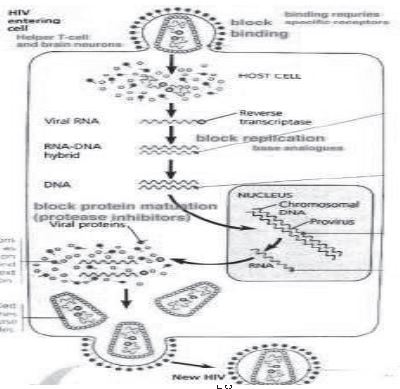
(a) HIV is enveloped virus containing one molecule of single-stranded RNA and one molecule of reverse transcriptase
(b) HIV is enveloped virus that contains two identical molecules of single-stranded RNA and two molecules of reverse transcriptase
(c) HIV is unenveloped retrovirus
(d) HIV does not escape but attacks the acquired immune response
Answer : B
Question. Consider the following statements.
I. Adolescence is a very vulnerable phase of mental and psychological developments of individual.
II. Adolescence is marked by accelerated physical growth, development of reproductive organs and changes in functioning of the neuroendocrine system.
(a) Both statements I and II are correct
(b) Both statements I and II are incorrect
(c) Statement I is correct, but II is incorrect
(d) Statement I is incorect, but II is correct
Answer : A
Question. Which of the following techniques is used to detect the of cancer of internal organs?
(a) Magnetic Resonance Imaging (MRI)
(b) Radiography (X-ray)
(c) Computed Tomography (CT) scan
(d) All of the above
Answer : D
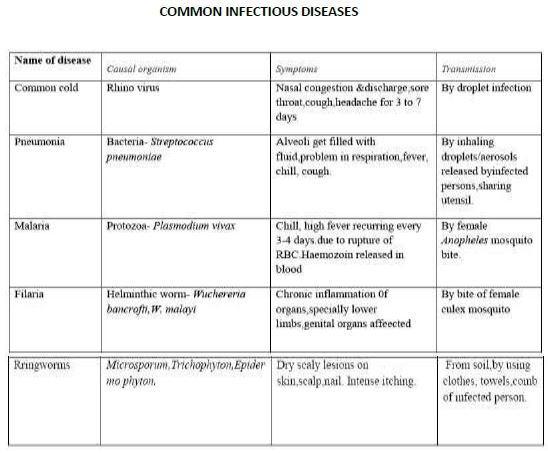
Question. Female Anopheles mosquito is a vector of
(a) filariasis
(b) malaria
(c) typhoid
(d) AIDS
Answer : B
Question. Common symptoms of typhoid are
(a) high fever 39°C to 40°C and weakness
(b) stomach pain and constipation
(c) headache and loss of appetite
(d) All of the above
Answer : D
Question. Malignant malaria is caused by
(a) Plasmodium falciparum
(b) Plasmodium ovale
(c) Plasmodium vivax
(d) Plasmodium malariae A
Answer : A
Question. Which of the following adversely affects human health?
(a) Change in lifestyle
(b) Genetic disorders
(c) Rest and exercise
(d) Both (a) and (b)
Answer : D
Question. Identify the correct pair representing the causative agent of typhoid fever and the confirmatory test for typhoid.
(a) Streptococcus pneumoniae/Widal test
(b) Salmonella typhi/Anthrone test
(c) Salmonella typhi/Widal test
(d) Plasmodium vivax/UTI test
Answer : C
Question. Malaria is caused by
(a) Plasmodium vivax
(b) Plasmodium malariae
(c) Plasmodium falciparum
(d) All of the above
Answer : D
Question. Which one of the following pairs is not correctly matched?
(a) Filariasis — Wuchereria
(b) Syphilis — Trichuris trichiura
(c) Plague — Yersinia pestis
(d) Dengue fever — Flavi-ribo virus
Answer : B
Question. Which of the following sets of diseases are caused by bacteria?
(a) Cholera and tetanus
(b) Typhoid and smallpox
(c) Tetanus and mumps
(d) Herpes and influenza
Answer : A
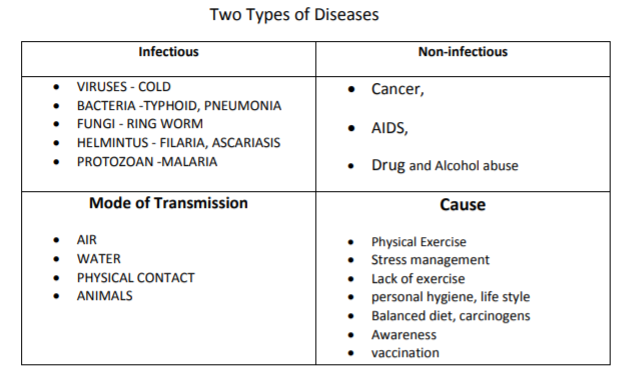
Question. Which one of the following disease is non-infectious as well as the major cause of death in humans?
(a) Cancer
(b) AIDS
(c) Asthma
(d) Typhoid
Answer : A
Question. Salmonella typhi generally enters the small intestine through .......A......... and migrates to other body parts through ........B........ .
The most appropriate combination to fill the blanks is
(a) A–contaminated food and water; B–blood
(b) A–contaminated food; B–blood
(c) A–skin; B–blood
(d) A–air; B–blood
Answer : A
Question. Health is a combination of
I. physical fitness
II. presence of disease
III. mental and social well-being
Which of the options given above are correct?
(a) I and II
(b) I and III
(c) II and III
(d) I, II and III
Answer : B
Question. Amoebiasis (amoebic dysentery) is caused by organism
(a) Plasmodium
(b) Entamoeba histolytica
(c) houseflies
(d) contaminated food and water
Answer : B
Question. Entamoeba histolytica is a parasite of
(a) large intestine
(b) liver
(c) lungs
(d) kidney
Answer : A
Question. The name of Mary Mallon is related with the disease
(a) typhoid
(b) pneumonia
(c) dengue
(d) AIDS
Answer : A
Question. Human health cannot be maintained by
(a) maintaining personal hygiene
(b) consuming a diet rich in carbohydrate only
(c) regular physical exercise
(d) None of the above
Answer : B
Question. Infection of pneumonia occurs due to
(a) droplets released from an infected person
(b) released droplets/aerosols inhaled by healthy person
(c) sharing contaminated objects such as glasses and utensils with an infected person
(d) All of the above
Answer : D
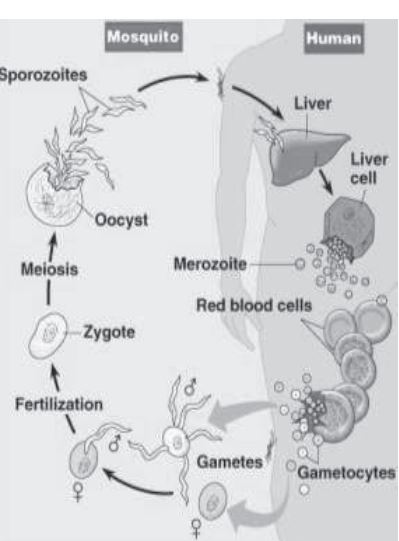
Question. Plasmodium completes its life cycle in two hosts.
Asexual phase in …… host and sexual phase in …… host.
The correct option with words to fill the blanks is
(a) human; Culex mosquito
(b) human; female Anopheles mosquito
(c) human; Aedes mosquito
(d) human; male Anopheles mosquito
Answer : B
Question. Which of the following is a protozoan disease?
(a) Malaria
(b) Amoebiasis
(c) Sleeping sickness
(d) All of these
Answer : D
Question. Study the given diagram and name the labelled A, B, C and D.
(a) A–Sporozoites in spleen, B–Sexual reproduction of Plasmodium in RBC, C–Gametocytes in RBC, D–Fertilisation of gametocytes in mosquito’s intestine
(b) A–Sporozoites in liver, B–Asexual reproduction of Plasmodium in RBC, C–Gametocytes in RBC, D–Fertilisation of gametocytes in mosquito’s intestine (gut)
(c) A–Sporozoites in liver, B–Asexual reproduction of Plasmodium in RBC, C–Gametocytes in RBC, D–Fertilisation of gametocytes in mosquito’s salivary glands
(d) A–Sporozoites in kidney, B–Sexual reproduction of Plasmodium in RBC, C–Gametocytes in RBC, D–Fertilisation of gametocytes in mosquito’s intestine
Answer : B
Question. Necessary steps for achieving good health are
I. awareness about diseases.
II. vaccination.
III. proper disposal of wastes.
The correct combination having necessary steps are
(a) I, II and III
(b) II, III and IV
(c) I, III and IV
(d) II and IV
Answer : A
Question. Where will you look for the sporozoites of the malarial parasite?
(a) RBCs of humans suffering from malaria
(b) Spleen of infected person
(c) Salivary glands of freshly moulted female Anopheles mosquito
(d) Saliva of infected female Anopheles mosquito
Answer : D
Question. The primary host of Plasmodium is
(a) man
(b) male Culex
(c) sheep
(d) female Anopheles
Answer : D
Question. The following table shows certain diseases, their causative organisms and symptoms.
Q.45 p.207
The correct option regarding A, B, C and D is
(a) A–Wuchereria, B–Salmonella typhi, C–Common cold, D–Internal bleeding, fever, anaemia
(b) A–Salmonella typhi, B–Ascaris, C–Typhoid, D–Stomach pain, headache
(c) A–Ascaris, B–Entamoeba histolytica, C–Pneumonia, D–Constipation, fever
(d) A–Entamoeba histolytica, B–Salmonella typhi, C–Common cold, D–Nasal discharge, high fever
Answer : A
Question. Ability of the body to fight against the disease causing organisms is called
(a) vulnerability
(b) susceptibility
(c) irritability
(d) immunity
Answer : D
IMPORTANT QUESTION
1) Why do children of metro cities of India suffer from allergies and asthma?
Answer : (Hint.-Pollution )
2) A patient has lost his immunity. 1.How does saliva and tear help to prevent bacterial infection?
Answer : saliva and tear contain lysozymes.
-Lysozymes enzymes which digest the cell wall of bacteria
-By lysing the cell wall, they kill bacteria and prevent their infection.
2. What is vaccination ?How does it help to produce immunity?
Answer : Vaccination process of introducing a preparation of antigenic protein of the pathogens or weakened or killed pathogen in to the body.
-The vaccines include quick multiplication of B and T-lymphocytes; some of them are stored as memory cells
-The B-lymphocytes quickly produce antibodies, which neutralize the antigen during infection.
3.Write the full form of ELISA. Give an example of the clinical application of ELISA?
Answer :Enzyme Linked Immune Sorbent Assay.
-ELISA test is used in the diagnosis of AIDS, hepatitis-Band other STD’s
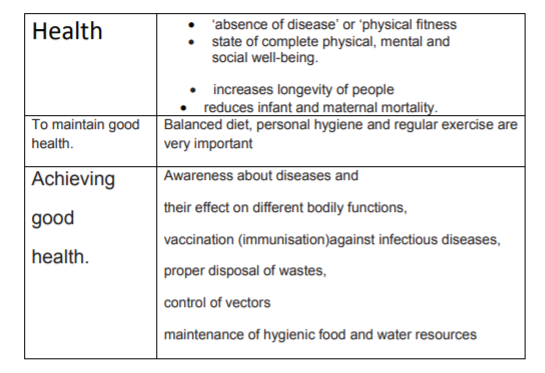
4 .What are the advantages of people being healthy?
Answer : When people are healthy,
A)They are efficient at work which consequently increases productivity and brings economic prosperity
B) Health increases longevity.
C) It reduces infant and maternal mortality
5. A) Name the respective forms in which the malarial parasite gains entry into
I) Human body and
Ii) Body of female Anopheles
B) Name the hosts where the sexual and the asexual reproduction of malarial parasite occur respectively
C) Name the toxin responsible for the appearance of symptoms of malaria in humAnswer : Why do these symptoms occur periodically ?
Answer :(A) (i)-Sporozoite
(ii)Gametocyte
(B)-sexual reproduction in mosquito
-asexual reproduction in human body.
( C) Haemozoin
- Haemozoin is released when the RBC’s rupture and release the pathogen
-some cells of pathogen enter fresh RBC’s and reproduce asexually and repeat the cycle; hence the symptoms appear periodically .
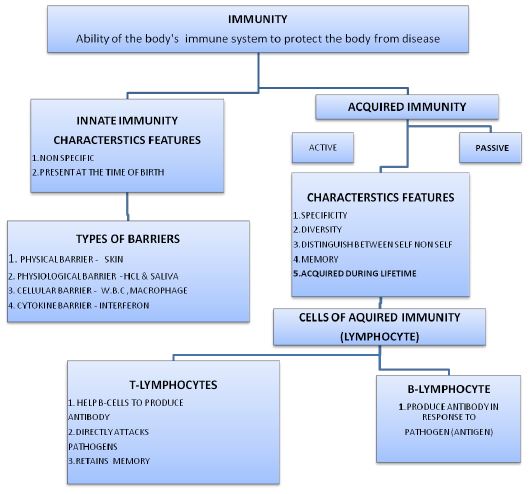
6. Define innate immunity. Name and explain the category of barrier which involves macrophages.
Answer : Innate immunity refers to all those defence elements with which a person is born and are always available to protect the body. -Macrophages form part of the cellular barrier. -The cellular barrier includes the following specialized cells; (i) Polymorphonuclear leucocytes.
(ii) Monocytes. (iii) Natural killer lymphocytes and (iv) Macrophages. - these cells phagocytose and destroy the invading microbes.
7. What is meant by writing H2L2 for an antibody? Name any four types of antibodies produced in our/human body?
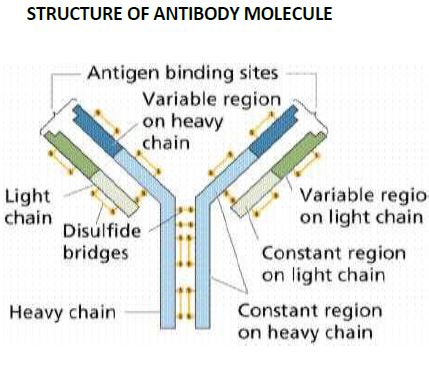
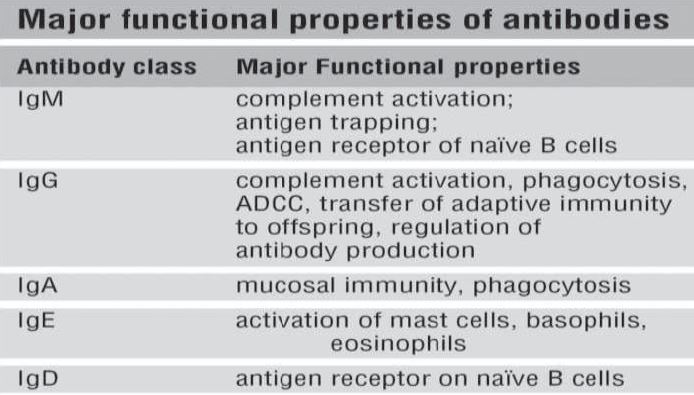
Answer : - Each antibody molecule has four peptide chains. - Of them, two are small and called light chains (L) and two of them are longer and called heavy chains (H); hence written as H2L2. The four types of antibodies are iga, ige, igg and igm.
8.How do normal cells get transformed into cancerous neoplastic cells?
Mention the differences between viral oncogenes and cellular oncogenes.
Answer :The transformation of normal cells into cancerous neoplastic cells is induced by physical, chemical and biological agents collectively called carcinogens; they lose the property of contact inhibition.
Difference: Viral Oncogenes
- These are the genes present in the oncogenic viruses, which effect oncogenic transformation of the cells they infect.
Cellular Oncogenes
- These are the genes present in normal cells and code for growth factors; when activated under certain conditions, can cause oncogenic transformation of the cell
9 (i) Explain metastasis. Why is it fatal?
Answer : (i) Metastasis is the property of tumor cells, which get separated from a tumor, spread to different sites in the body through body fluids and produce secondary tumors wherever they are lodged. Since secondary tumors are formed at several parts of the body, it is difficult to be diagnosed and treated; hence it is fatal.
10 (1) Lymphocytes are of two types why are they called so?
A person was injured in a road accident and required an urgent immune response. What should be done?
(ii) The lymphocytes are of two types B and T-cells. Why are they called so?
(iii) A person has injured on a road accident and required an urgent immune response.
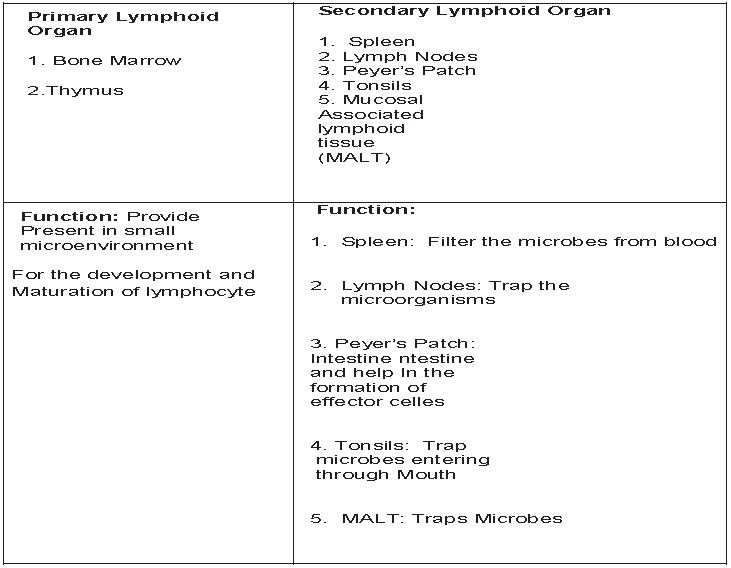
Answer : (i) Those lymphocytes which undergo maturation in the bone marrow are called B-cells while those which undergo maturation in the thymus are called T-cells.
(ii) Those lymphocytes which undergo maturation in the bone marrow are called B-cells while those which undergo maturation in the thymus are called T-cells.
(iii) Vaccine against Tetanus.
HOTS
1 The immune system of a person is suppressed . In ELIZA test he tested positive
i) Name the diseases associated with it.
iii)Why did he loose his immunity.
Answer :(Hint:-AIDS)
2 Which organ can trap the microbes in the body fluid ? Lymph
3) A person claimed that he has seen sounds, heard colours and smelt light.
I) What could be the possible reason?
Ii) Name two chemicles responsible for this conditions.
Please click the link below to download pdf file for CBSE Class 12 Biology - Human Health And Disease.
Free study material for Biology
Revision Notes and Key Concepts for Class 12 Biology Chapter 07 Human Health and Diseases
Download Chapter Summary: Class 12 Biology Chapter 07 Human Health and Diseases
Access structured revision notes for Chapter 07 Human Health and Diseases designed in alignment with the latest CBSE curriculum for Class 12 Biology. These summaries help clarify core themes and support effective daily study.
Concept Clarification for Chapter 07 Human Health and Diseases
Built using the official NCERT book for Class 12 Biology, these notes provide reliable academic guidance. Pair your summary review with our recommended NCERT solutions to master optimal problem-solving approaches.
Additional Study Resources for Class 12 Biology
Explore our broader library of printable assignments, chapter notes, and mock tests designed to support continuous revision and secure higher marks in CBSE assessments.
FAQs
You can download the teacher prepared revision notes for CBSE Class 12 Biology Human Health And Disease Notes Set 01 from StudiesToday.com. These notes are designed as per 2026-27 academic session to help Class 12 students get the best study material for Biology.
Yes, our CBSE Class 12 Biology Human Health And Disease Notes Set 01 include 50% competency-based questions with focus on core logic, keyword definitions, and the practical application of Biology principles which is important for getting more marks in 2026 CBSE exams.
Yes, our CBSE Class 12 Biology Human Health And Disease Notes Set 01 provide a detailed, topic wise breakdown of the chapter. Fundamental definitions, complex numerical formulas and all topics of CBSE syllabus in Class 12 is covered.
These notes for Biology are organized into bullet points and easy-to-read charts. By using CBSE Class 12 Biology Human Health And Disease Notes Set 01, Class 12 students fast revise formulas, key definitions before the exams.
No, all study resources on StudiesToday, including CBSE Class 12 Biology Human Health And Disease Notes Set 01, are available for immediate free download. Class 12 Biology study material is available in PDF and can be downloaded on mobile.