IMPORTANT POINTS
- Reproduction is the most important feature of living organisms.
- It is a process of producing offspring, ie., the next generation, which is a means of self-perpetuation.
- In sexual reproduction, fusion of male and female gametes takes place.
- Flowers are reproductive organs of plants.
- A typical flower has four whorls – From the outer side
- stamens are actually microsporophylls. It is a male reproductive part.
It has three parts
(1) Anther
(2) connective and
(3) Filament.
- Anther is bilobed structure having four microsporangia.
- It’s wall has four layers (i) Epidermis (ii) Endothecium (iii) middle layers and (iv) Tapetum.
- Microsporangium at the centre possesses sporogenous tissue.
- The sporogenous tissue by meiotic division produces large number of microspore tetrads.
- Each microspore matures to form pollen grain.
- Pollen wall is two layered. (i) Exine – outer hand layer (ii) Intine – Inner thin layer.
- Exine has prominent apertures called Germpores, at which place sporopollenin is absent.
- Intine develops as a pollen tube and comes out of germ pores.
- During further development of male gametophyte, the pollen nucleus divides to form (1) vegetative cell / nucleus and (2) Generative cell / nucleus. Vegetative nucleus disintegrater later on and the generative nucleus divides to produces two male gametes.
- A Gynoecium (pistil) is like megasporophyll.
- It is female reproductive part.
- It has three region (i) Stigma (ii) Style (iii) Ovary.
- Ovule (megasprangium) is developed from the placenta inside the ovarium cavity.
- The stalk of the ovule is called funicle. Ovule is covered by one or two integuments; leaving a small opening called micropyle.
- Only one megaspore mother cell located towards micropylar divides meiotically to form four haploid megaspore arranged linearly called linear tetrad.
- Of the four only one becomes functional. It forms female gametophyte (Embryo sac)
- The mature embryo sac is 7 celled; but 8 nucleated.
- Here 3 nuclei get organized into an egg-apparatus, which consist of 1 egg cell and two synergids, toward micropylar end.
- While towards challazal end, three nuclei get organized to form antipodal cells.
- From each end one nuclei each comes in the middle, untie to form one cell, called secondary nucleus, which has two nuclei.
- Pollination -
- The process of transfer of pollen grain from the anther to the stigma is called pollination.
- Pollination are of two types (1) self and (2) cross.
- Self-pollination can occur in bisexual as well as unisexual flowers while cross pollination is possible only in unisexual flowers naturally.
- Homogamy and cleistogamy are the adaptations for self-pollination while Dichogamy is for selfsterility.
- Hetrostyled is for cross pollination.
- Different pollinating agents are
(a) Abiotic - (i) wind and (ii) water.
(b) Biotic animals like , Insects, birds etc.
- pollen – pistil interaction involves all events from landing of pollen grains to the stigma until the pollen tube enters the embryo sac.
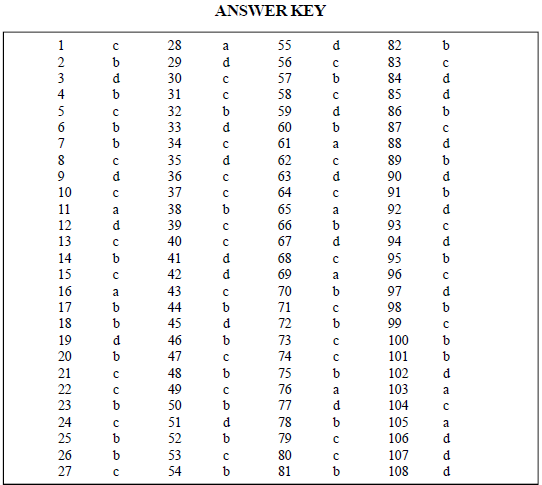
M.C.Q.
1. Plant embryo develops from.
(a) seed (b) Fruit (c) Zygote (d) Flower
2. Embryo of flowering plant is always -
(a) Haploid (n) (b) Diploid (2n) (c) Triploid (3n) (d) Tetraploid (4n)
3. Plant embryo is a mass of -
(a) cells (b) Uncertain tissue
(c) Collection of plant tissues (d) Miniature plant
4. Stamen is a modification of
(a) Leaf (b) Microsporophyll (c) Megasporophyll (d) Shoot
5. Zygote is formed inside the
(a) Stigma (b) Style (c) Female gametophyte (d) Seed
6. A microspore is a
(a) Male gamate (b) First cell of male gametophyte
(c) Last cell of male gametophyte (d) Diploid cell
7. An anther consists of
(a) one microsporangium (b) four microsporangia
(c) Two microsporangia (d) many microsporangia
8. Cells of nucellus are always
(a) Haploid (b) Triploid (c) Diploid (d) Enucleated
9. The embryo sac is produced from
(a) Microscope (b) Zygote (c) Egg cell (d) Megaspore
10. An egg-apparatus contains
(a) An egg + two antipodals (b) An egg + Secondary nucleus
(c) An egg + Two synergids (d) Antipodal cell + synergid
11. In angiosperm the endosperm nucleus is
(a) Triploid (b) Diploid (c) Tetraploid (d) Haploid
12. Female gametophyte is also known as
(a) ovule (b) egg-apparatus (c) Nucellus (d) Embryo sac
13. Embryo sac contains
(a) 3 eggs (b) 2 eggs (c) 1 egg (d) 4 eggs
14. Carpel is formed of
(a) Two part (b) Three part (c) Four part (d) Seven part
15. The arrangement of flowers on the flora axis is known as
(a) Venation (b) Phyllotaxy (c) Anthology (d) Aestivation
16. The unit of female reproductive body in flower is
(a) Carpel (b) Megasporangium (c) Ovule (d) Ovary
17. After fertilization the ovule develops into
(a) Endosperm (b) seed (c) Embryo sac (d) Fruit
18. Fruit is a modification of
(a) Female gametophyte (b) ovary (c) carpel d) Nucellus
19. The seed coat develops from
(a) Embryo sac (b) Inner integument (c) Nucellus (d) Outer integument
20. Nucellus in seed is represented by
(a) Testa (b) Peri carp (c) Tagmen (d) Seed Coat
21. Pollen grain are produced in
(a) Nucellus (b) Stigma (c) Anther (d) Chalaza
22. Ovule is attached to the placenta by
(a) pedical (b) Hilum (c) Funicle (d) petiole
23. Pollen tube enters the embryo sac through
(a) Integument (b) Micropyle (c) chalaza (d) Funicle
24. Pollen tube, entering in embryo sac has
(a) 3 male gametes (b) 1 male gametes (c) 2 male gametes (d) 4 male gametes
25. In flowering plants, fertilization occur in
(a) Ovary (b) Embryo sac (c) Nucellus (d) Ovule
26. The formation of zygote without the act of syngamy is called
(a) Poly embryony(b) Parthenogenesis (c) Budding (d) Apospory
27. Which phase of life cycle is dominant in the individuals of angiosperms ?
(a) Gametophyte (b) Growth phase (c) Sporophyte (d) Development phase
28. The process by which seedless fruits are produced are known as
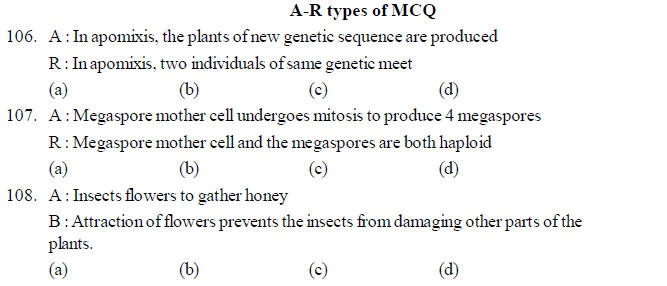
(a) Parthenocarpy (b) Apogamy (c) Parthenogenesis (d) Apospory
29. A flower is
(a) Modified stem (b) Modified leaf (c) Modified branch (d) Modified shoot
30. A flower is specially formed for
(a) decoration (b) photosynthesis (c) reproduction (d) fragrance
31. Pollen tube enters the micropyle into through
(a) Female gamete(b) Ovary (c) Female gametophyte (d) Nucellus
32. Embryo develops from
(a) Egg cell (b) Zygote (c) Egg-apparatus (d) Synergids
33. Fertilized secondary necleus develops into
(a) Fruit (b) Embryo (c) seed (d) Endosperm
34. Transfer of pollen to the stigma is called
(a) Fertilization (b) Germination (c) pollination (d) Gametogenesis
35. In ficus pollination occurs through
(a) Water (b) Air (c) Bat (d) Insects
36. After fertilization seed is developed from
(a) Embryo (b) Embryo sac (c) Ovule (d) Zygote
37. Cross pollination is normally
(a) not beneficial (b) harmful (c) more beneficial (d) rarely seen
38. Pollen grains germinate on
(a) Any surface (b) Stigma (c) soil (d) Ovule
39. An anther is also called
(a) Sporangium (b) Megasporangium (c) Microsporangium (d) Stamen
40. The source of food for developing embryo is
(a) Nucellus (b) Ovule (c) Endosperm (d) Anther
41. Out of megaspore tetrad, the functional megaspore is
(a) Any megaspore (b) middle megaspore
(c) Micropylar megaspore (d) Chalazal megaspore
42. Micropylar end lacks
(a) Egg cell (b) Synergids (c) Egg-apparatus (d) Integument
43. The larger cell of a pollen grain with irregular shaped nucleus is
(a) Apical cell (b) Generative cell (c) Vegetative cell(d) Basal cell
44. How many megaspore mothe cell are produced in a nucellus ?
(a) 3 (b) 1 (c) 2 (d) 4
45. How many cells are formed in a mature female gametophyte ?
(a) Eight (b) Six (c) Two (d) Seven
46. Transfer of a pollen grain to the stigma of the same plant is called
(a) Antogamy (b) Geitonogamy (c) Allogamy (d) Homogamy
47. The uppermost and largest cell of the suspensor which remains in contact with apical cells is called
(a) Hypocotyl (b) Basal cell (c) Hypophysis (d) Terminal cell
48. The adaptation for self-pollination is
(a) Herkogamy (b) Cleistogamy (c) Dichrgamy (d) Homogamy
49. Which of the following cell is diploid?
(a) Synergid (b) Antipodal cell (c) Secondary nucleus (d) Egg cell
50. Suspensor is produced from
(a) Apical cell (b) Small upper basal cell (c) large lower basal cell (d) Hypophysis
51. Which structure pushes the developing embryo toward endosperm to get nutrition ?
(a) Hypophysis (b) Terminal octant (c) Proembryo (d) Suspensor
52. Development of male gametophyte begins
(a) After pollination(b) Before pollination (c) On the stigma (d) In the embryo sac
53. 2 to 3 celled male gametophyte, starts its further development after pollination
(a) In the style (b) In the ovary (c) on the stigma (d) In the ovule
54. Which part of the male gametophyte, disintegrates before fertilization ?
(a) Generative nucleus (b) Tube nucleus (c) Male gamete (d) Germpore
55. Which of the following is the basal part of ovule ?
(a) placenta (b) Hilum (c) Micropyle (d) chalaza
56. In dicot embrogenesis, the firast division in zygote is generally
(a) oblique (b) longitudinal (c) Transverse (d) uncertain
57. Two male gametes are
(a) produced before pollination (b) Haploid
(c) Diploid (d) At the time of pollination
58. The innermost layer of the wall of microsporangium is called
(a) Endothecium (b) Endodermis (c) Tapetum (d) Intine
59. Pollen grains represent
(a) The future sporophyte (b) The sporophyte
(c) The gametophyte (d) The male gametophyte
60. Tapetum provides
(a) protection to embryo (b) Nourishment to pollen grains
(c) Nourishment to embryo (d) Protection to endosperm
61. In triple fusion, how many male gamete participate ?
(a) 1 (b) 2 (c) 3 (d) 4
62. Germpores are actually
(a) Apertures in intine (b) Thick area in intine
(c) Apertures in exine (d) Thin area in intine
63. Radicle tip is derived from
(a) Suspensor (b) Proembryo (c) Basal cell (d) Hypophysis
64. How many haploid nuclei are involved in double fertilization ?
(a) Four (b) Two (c) Five (d) Three
65. Endothecium in anther helps in
(a) Dehiscence of anther (b) Nutrition to pollen
(c) Germination of pollen (d) Formation of male gamete
66. The intine of a pollen grain is made up of
(a) Lignin and suberin (b) Pectin and cellulose
(c) Lignin and Hemicellulose (d) Pectin and callose
67. Which is the most resistant natural organic material ?
(a) Cellulose (b) Pectin (c) Suberin (d) Sporopollenin
68. Style is
(a) a is delicate hollow tube (b) a tough hollow tube
(c) a delicate filament (d) called pollen tube
69. Nucellus is mass of
(a) Parenchymatous tisse (b) Sclerenchymatous tissue
(c) Meristematic tissue (d) Collenchymatous tissue
70. Which one of the following is the example of mitosis ?
(a) Megasporongensis (b) Microsporogensis
(c) Pollen formation (d) Division of generative cell
71. Typical anther normally consists of
(a) One lobe Four sporangia (b) Two lobe Two sporangia
(c) Two lobe Four sporangia (d) One lobe Two sporangia
72. During the development of monosporic development of embryo sac the nucleus of the functional megaspore divides
(a) Two times (b) Three times (c) One time (d) Repeatedly
73. Cross pollination has an advantage of
(a) Mutation(b) polyploidy formation (c) Genetic recombination (d) Crossing over
74. Unisexual flowers prevent
(a) Pollination (b) Breeding (c) Self-pollination (d) Cross fertilization
75. The functionof the filiform apparatus is
(a) To nourish the pollen grain (b) To guide the entry of pollen tube
(c) To develop pollen tube (d) To carry pollen tube through style
76. Which one of the following is an example of free-nuclear endosperm
(a) Coconut water (b) Castor (c) Sugarcane juice (d) Groundnut
77. The protective cover of the radicle in maize seed is called
(a) Micorhiza (b) Coleptile (c) Scutelum (d) Coleorhiza
78. In angiosperm the endosperm is formed
(a) In the nucellus (b) In the embryo sac (c) In the seed (d) In the anther
79. Stamen show homology with
(a) Gametophyte (b) male cone (c) Microsporophyll (d) Sporangium
80. The pedicel of the female flower coils after pollination in
(a) Lotus (b) Hydrilla (c) Vallisneria (d) Trapa
81. The arrangement of the ρ haploid nuclei in the normal dicot embryo sac is
(a) 2 + 3 + 3 (b) 2 + 3 + 2 (c) 3 + 3 + 2 (d) 3 + 2 + 3
82. In the flowering plants, male and female gametes both are
(a) Motile (b) Non-motile (c) Diploid (d) Very large
83. Wind pollination requires that the pollen grains are
(a) Heavy and wet (b) Heavy and non-sticky (c) Light and dry (d) Heavy and sticky
84. Future sporophytic generation in a seed is
(a) Cotyledon (b) Endosperm (c) Hypocotyl (d) Embryo
85. Scatelum is
(a) an endosperm (b) a seed coat (c) an embryo (d) a cotyledon
86. Which one of the following floats in the cytoplasm of the vegetative cell ?
(a) Male gamete (b) Generatic cell (c) Female gamete (d) Microspore
87. The mature pollen grain contains
(a) 3 cells (b) 7 cells (c) 2 cells (d) 1 cell
88. Pollen tube is formed by
(a) Germ pore (b) Exine (c) Style (d) Intine
89. A single ovule produces
(a) 3 female gamete (b) 1 female gamete(c) 2 female gamete (d) 4 female gamete
90. Embryo sac is formed inside
(a) Seed (b) Endosperm (c) Embryo (d) Ovule
91. Pro-embryo is a
(a) 8 celled structure (b) 4 celled structure
(c) 2 celled structure (d) 16 celled structure
92. Suspensor is made up of
(a) 2 to 4 cells (b) 4 to 8 cells (c) 8 to 16 cells (d) 20 to 25 cells
93. Root cap of the embryo develops from
(a) Basal cell (b) Apical cell (c) Hypophysis (d) Hypocotyl
94. The hilum of the ovule represents the junction between
(a) Nucellus and Embryo (b) Nucellus and Integuments
(c) Funicle and Integuments (d) Funicle and ovule
95. Which layer of the wall of microsporangium is made up of Fibrous layer
(a) Middle layer (b) Endothecium (c) Tapetum (d) Epidermis
96. Out of the four sets of appendages of a typical flower the outer two sets are
(a) Fertile (b) Reproductive (c) Sterile (d) Filamentous
97. A proximal sterile part of the stamen is called
(a) Style (b) Connective (c) Anther (d) Filament
98. A sterile region present between stigma and ovary is called
(a) Pollen tube (b) Style (c) Filament (d) Suspensor
99. The opposite end of the micropylar region of an ovule is called
(a) Embryo sac (b) Nucellus (c) Chalaza (d) Thalamus
100. When pollen grains are not transferred from anthers to stigma in a flower, due to the physical barrier,it is called
(a) Cleistogamy (b) Herkogamy (c) Dichogamy (d) Heterogamy
101. The asexual production of seed is called
(a) Fragmentation (b) Apomixis (c) Self-fertilization (d) Dormancy
102. Perisperm is
(a) Peripheral part of endosperm (b) Remnent of endosperm
(c) Disintegrated secondary nucleus (d) persistant of nucleus
103. The root cell of wheat plant has 42 chromosomes. What would be the number of chromosomes in the synergid cell ?
(a) 21 (b) 7 (c) 28 (d) 14
104. The plant part which consist of two generations, one within the other, is
(a) Germinated pollen grain (b) Embryo
(c) Unfertilized ovule (d) Seed
105. The pollen tube usually enters the female gametophyte
(a) through one of the synergids (b) by directly penetrating the egg
(c) between one synergid and central cell (d) by knocking off the antipodal cell