

Official Class 12 Marketing Revision Material: CBSE Class 12 Marketing Pricing Notes
Review targeted revision notes for Class 12 Marketing with the CBSE Class 12 Marketing Pricing Notes. Built according to official educational guidelines for the 2026-27 academic year, these downloadable summaries for Pricing support daily study and last-minute exam readiness.
Chapter-wise Concept Summaries: Pricing
Access the complete concept summary PDF for Pricing below. Regular review of these targeted notes builds familiarity with complex Class 12 Marketing themes and helps secure higher marks in final school evaluations.
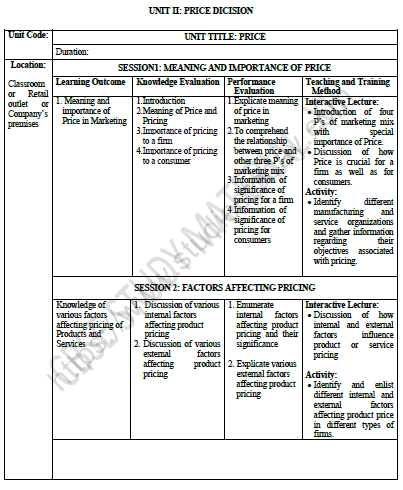
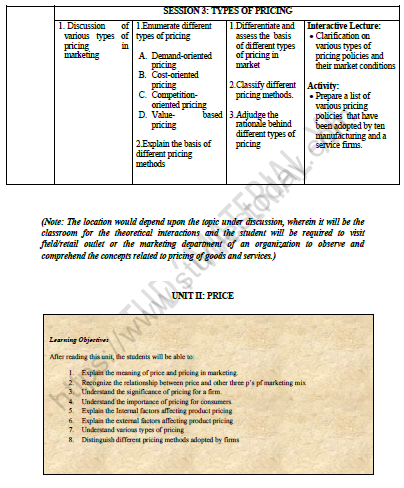
Please click on below link to download CBSE Class 12 Marketing Pricing Notes
Free study material for Marketing
Study Material and Revision Notes for Class 12 Marketing Pricing
About Pricing Revision Notes
Access structured revision notes for Pricing designed in alignment with the latest CBSE curriculum for Class 12 Marketing. These summaries help clarify core themes and support effective daily study.
How to Use These Revision Notes
Built using the official NCERT book for Class 12 Marketing, these notes provide reliable academic guidance. Pair your summary review with our recommended NCERT solutions to master optimal problem-solving approaches.
Enhance Practice with MCQs and Worksheets
Wrap up your chapter revision by testing your knowledge against standard question formats. Everything on our platform is provided free of charge.
FAQs
You can download the teacher prepared revision notes for CBSE Class 12 Marketing Pricing Notes from StudiesToday.com. These notes are designed as per 2026-27 academic session to help Class 12 students get the best study material for Marketing.
Yes, our CBSE Class 12 Marketing Pricing Notes include 50% competency-based questions with focus on core logic, keyword definitions, and the practical application of Marketing principles which is important for getting more marks in 2026 CBSE exams.
Yes, our CBSE Class 12 Marketing Pricing Notes provide a detailed, topic wise breakdown of the chapter. Fundamental definitions, complex numerical formulas and all topics of CBSE syllabus in Class 12 is covered.
These notes for Marketing are organized into bullet points and easy-to-read charts. By using CBSE Class 12 Marketing Pricing Notes, Class 12 students fast revise formulas, key definitions before the exams.
No, all study resources on StudiesToday, including CBSE Class 12 Marketing Pricing Notes, are available for immediate free download. Class 12 Marketing study material is available in PDF and can be downloaded on mobile.