SESSION 2 PRODUCT CLASSIFICATION
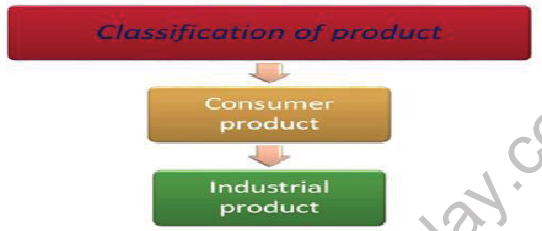
The product nature is found to have significant impact on the method of product positioning. Product classification assists the marketers to put the products before the consumer better. They can be segmented, targeted and positioned better. There exist two classes of products:
TYPES OF CONSUMER GOODS
Consumer products can be divided on the basis of the time and effort the buyer is willing to take out for the purchase of the product. They can be divided into two parts:
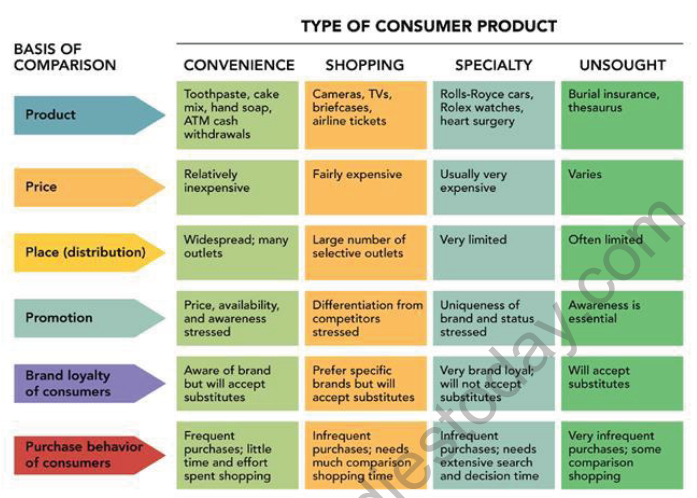
(i) Convenience Products: They are goods that a customer purchases frequently, with minimum effort and time to make a buying decision. Example: soft drinks, soaps, bread, milk etc. These can be further classified into three categories:
(a) Staple Goods: The products which are purchased on a regular basis. The decision to buy the product is programmed once the customer puts the item on his list of regular purchases. Example bread, milk, eggs
(b) Impulse Goods: The consumer purchases these without any planning or search efforts. The desire to buy impulse is a result of the shopping trip. This is why impulse products are located where they can be easily noticed. Example chocolates, magazines.
(c) Emergency Goods: They are purchased to fulfill urgent need. The consumer ends up paying more. Examples of consumer shopping for tooth brushes or shaving blades at tourist destinations.
Main Features:
i. They are easily available and require minimum time and effort.
ii. They are obtainable at low prices.
iii. There is a continuous and regular demand for such products.
iv. Both demand and competition for these products is high.
v. Products are easily substitutable.
vi. Heavy advertising and sales promotion schemes help in marketing of these products.
(ii) Shopping Products: These are the goods where the customer while selecting the product for purchase makes due comparisons on the bases of quality, price, style and suitability. Shopping products can be homogenous or heterogeneous.
1. Homogeneous Products: They are products which are considered to be alike, with the sellers engaging on price war. Manufacturers end up distinguishing on the basis of design, services offered or other freebies.
2. Heterogeneous Shopping Products: They are products that are considered to unlike or non-standardized. The consumers always shop for a best quality buy. Price becomes secondary in case the focus is on style or quality.
Main Features:
i. They are durable in nature.
ii. They have high unit price and profit margin.
iii. The customer spends adequate time and compares products before making the final purchase.
iv. Purchase of such products is planned prior.
v. Important role played by the retailer in the sale of shopping goods
(iii) Specialty Products: These are goods with unique characteristic or brand identification for which a sufficient number of buyers are willing to make a special purchasing effort. Consumers have strong convictions towards the brand, style, or type. For example Cars, High end Watches, Diamond jewellery etc.
Main Features:
i. The demand for such products is relatively infrequent.
ii. Products are high priced.
iii. Sale of such products is limited to few places.
iv. Aggressive promotion is required for such products.
v. After sales service is required for these products.
(iv) Unsought Products: These are products that are available in the market but the potential buyers do not know about their existence or there do not want to purchase them. There are two types of such
products: Regularly Unsought Products: The products which exist but the consumers do not want to purchase them as of now, but might eventually purchase them. Example: Life Insurance Products or Doctor’s services.
New Unsought Products: The marketers task is to inform target consumers of the existence of the product, stimulate demand and persuade then to buy the product. Example: Oral Polio Vaccine was unsought initially, but heavy promotion and persuasion by the government has lead to eradication of polio.
Industrial Products:
The Products used as inputs to produce consumer products are known as industrial products. They are used for non-personal and business purposes. Examples: raw materials, tools, machinery, lubricants etc.
Feature of Industrial products:
(a) Limited number of buyer in comparison to consumer goods.
(b) Length of Channel for distribution is short.
(c) Demand for the product is concentrated in certain geographical locations and is derived from the demand of consumer goods.
(d) Product purchase is based on fulfillment of technical considerations.
(e) Reciprocal buying is involved is a company may purchase the raw material from a company and may sell the finished product to the same company.
(f) In certain cases the companies may lease out the products rather than purchasing them due to high costs.
Types of Industrial Products:
(i) Materials and Parts: These are goods that are used for manufacturing the product. These are further divided into two types:
(a) Raw Material: The raw materials could be either agri based products like sugar cane, rubber. Wheat etc. or they can natural products like iron ore, crude petroleum etc.
(b) Manufactured Materials and Parts: These include component materials like glass, iron, plastic or components like battery, bulbs or steering etc.
(ii) Capital Items: They are the goods used in producing the finished goods. They include tools, machines, computers etc. They can be categorized into installations like lifts, mainframe computers etc. and equipment like fax machines, EPBX machines.
(iii) Supplies and Business Services: They are goods which are required for developing or managing the finished products. For example paints, lubricants, computer stationary etc. They can be categorized into maintenance and repair items like nuts, bolts, paints etc and operating supplies like lubricants, coolants, ink etc.
KNOWLEDGE ASSESSMENT 2
Fill in the Blanks
1) ___________________ are good that a customer purchases ______________,with________________ effort and time to make a buying decision.
2) ____________________ are those that the consumer purchases these without any planning or search efforts.
3) __________________________ are products that are considered to unlike or nonstandardized.
4) Specialty products are goods with __________________ or ___________________for which a sufficient number of buyers are willing to make a special purchasing effort.
5) ____________________ are products that are available in the market but the potential buyers do not know about their existence or there do not want to purchase them.
6) ____________________________ are those which exist but the consumers do not want to purchase them as of now, but might eventually purchase them.
7) The products used as inputs to produce consumer products are known as______________________.
8) __________________________ is involved is a company may purchase the raw material from a company and may sell the finished product to the same company.
9) __________________________ are goods that are used for manufacturing the product.
10) ___________________________ are the goods used in producing the finished goods.
ANSWERS
1) Convenience Products, frequently, minimum
2) Impulse Goods
3) Heterogeneous shopping products
4) Unique characteristics, brand identification
5) Unsought products
6) Regularly Unsought products
7) Industrial products
8) Reciprocal buying
9) Materials and parts
10) Capital items
Please click on below link to download CBSE Class 12 Marketing Product Classification Notes