

Official CBSE Study Materials for Class 12 Computer Science
Access comprehensive study materials and useful resources for Inheritance using the Class 12 Inheritance Revision Notes. Designed to align with the 2026-27 CBSE academic guidelines, these advanced resources help Class 12 Computer Science students reinforce core concepts beyond standard textbooks.
Advanced Resources for Computer Science
Navigate directly to the advanced Computer Science study materials using the digital viewer below. Each resource pack includes detailed conceptual summaries and solved practice questions, allowing students to instantly reinforce their learning.
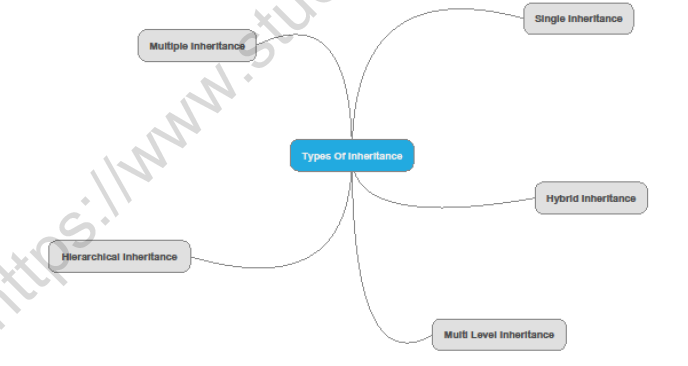
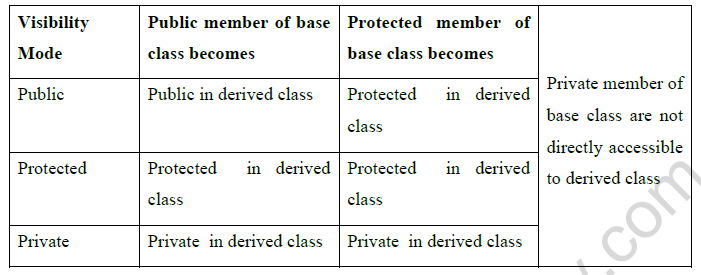
Free study material for Computer Science
CBSE Class 12 Computer Science Study Material: Inheritance
Essential Notes for Class 12 Computer Science
Review targeted study resources for Inheritance tailored for Class 12 learners. Utilizing these structured notes and quick-revision tools ensures complete alignment with current CBSE evaluation standards.
Verified Solutions for Class 12 Computer Science
Each resource draws directly from authorized textbooks to maintain academic accuracy. Evaluating solved examples allows Class 12 students to master the formal presentation and answer-writing standards expected in upcoming school exams.
Enhance Accuracy with Online Tests
For peak performance in upcoming evaluations, integrate official Computer Science sample papers directly into your study schedule. Follow up your revision by attempting online MCQ tests for Inheritance to refine calculation speed and precision.
FAQs
Our advanced study package for Inheritance includes detailed concepts, diagrams, Mind Maps, and explanation of complex topics to ensure Class 12 students learn as per syllabus for 2026 exams.
The Mind Maps provided for Inheritance act as visual anchors which will help faster recall during high-pressure exams.
Yes, teachers use our Class 12 Computer Science resources for lesson planning as they are in simple language and have lot of solved examples.
Yes, You can download the complete, mobile-friendly PDF of the Computer Science Inheritance advanced resources for free.
Yes, our subject matter experts have updated the Inheritance material to align with the rationalized NCERT textbooks and have removed deleted topics and added new competency-based questions.