

Official Class 3 English Worksheets: Grammar
Access comprehensive chapter-wise worksheets for Grammar using the CBSE Class 3 English Grammar Worksheet. Designed to align with the 2026-27 academic syllabus for Class 3 English, these printable practice sets help students reinforce key concepts and improve their overall exam readiness.
Solved Practice Worksheets for English
View or download the dedicated CBSE Class 3 English Grammar Worksheet resource below. Engaging with these practice papers under focused study conditions ensures continuous academic progress and mastery of the 2026-27 curriculum for Grammar.
I. Mark the ‘ly’ words in the maze :
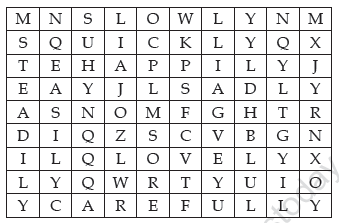
II. Use any ‘five’ of the marked ‘ly’ words in sentences of your own :
1. __________________________________________________________________
2. __________________________________________________________________
3. __________________________________________________________________
4. __________________________________________________________________
5. __________________________________________________________________
III. Write the opposites of the given words :
1. down × ___________ 5. go × ___________
2. thin × ___________ 6. low × ___________
3. fast × ___________ 7. careless × ___________
4. front × ___________ 8. straight × ___________
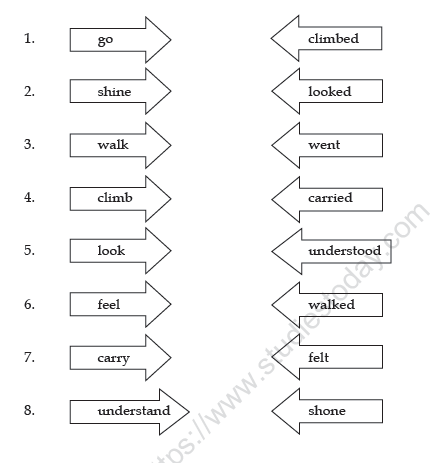
IV. Match the ‘past tense’ of the given verbs :
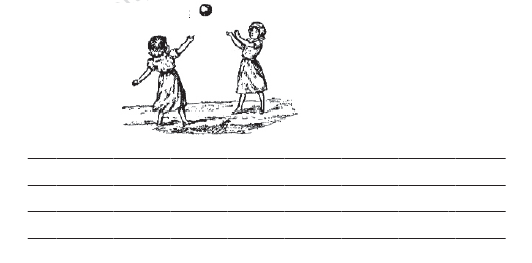
V. Write about this picture :
Write the words that each contraction stands for.
1. don’t
2. can’t
3. won’t
4. we’ll
5. haven’t
6. he’s
7. isn’t
8. she’ll
9. I’m
10. you’re
Answer.
1. do not 2. cannot
3. will not 4. we will
5. have not 6. he is
7. is not 8. she will
9. I am 10. you are
Write the correct contraction for each set of words.
1. did not
2. were not
3. had not
4. they would
5. I have
6. he will
7. they will
8. he would
9. has not
10. we have
Answer.
1. didn’t 2. weren’t 3. hadn’t
4. they’d 5. I’ve 6. he’ll
7. they’ll 8. he’d 9. hasn’t
10. we’ve
WORKSHEET - 1 (GRAMMAR)
SENTENCES
Q1 Put a tick (√ ) if it is a proper sentence and cross( ×) if it is not a sentence.
a) She likes to eat.
b) Raj loves.
c) Would go.
d) Ritu is a clever girl.
e) Cow eats grass.
f) Can write I on .
Q2 Put the punctuation mark in the following sentences and also mention the type of sentence it is.
1. How clever he is __ ____________________________
2. Let him come in __ ____________________________
3. She took pride in her beauty ___ ___________________
4. Do you pray everyday __ __________________________
5. Be polite ___ ____________________________________
NOUNS
Q3. Make your own grid of 5 proper nouns and colour it green and 5 common nouns and colour it yellow.
Q4. Draw the picture for the given collective noun:
1. a swarm of bees
2. a galaxy of stars
Wishes or If Only
A) Write sentences with “I WISH………” and “IF ONLY……..”:
1. Ayse isn’t here.
I wish …………………………………………………………
2. She lives in Đstanbul (and she hates it).
She wishes ……………………………………………………
3. He can’t give up smoking.
He wishes ……………………………………………………
If only ………………………………………………………..
4. I’m not lying on a beautiful sunny beach (and that’s a pity).
I wish …………………………………………………………
If only …………………………………………………………
5. They don’t know anything about cars (and their car has just been broken down).
They wish …………………………………………………….
6. He has pneumonia.
He wishes …………………………………………………….
If only …………………………………………………………
7. She has to work tomorrow (but she’d like to stay in bed).
She wishes ……………………………………………………
8. There is going to be an examination tomorrow.
If only …………………………………………………………
9. My brother doesn’t keep his room tidy.
I wish ………………………………………………………….
10. Sue doesn’t help with the housework.
Sue’s mother wishes …………………………………………..
11. Mary often plays the piano in the middle of the night.
Her neighbours wish …………………………………………..
B) Write the correct forms of the verbs:
1. I wish I …………………………….. (have) today off.
I wish I …………………………….. (have) yesterday off.
2. If only I ……………………………. (know) the answer now.
If only I ……………………………. (know) the answer a few minutes ago.
3. He wishes he ……………………… (visit) them, but he can’t.
4. She wishes she ……………………. (clean) the refrigerator today.
She wishes she ……………………. (clean) it yesterday.
5. If only he ………………………….. (not / eat) so much garlic!
If only he ………………………….. (not / eat) so much garlic last night!
6. She has to walk up the stairs. She wishes her apartment building …………………. (have) an elevator.
C) Ann doesn’t like her new house. Write what she WISHES:
“ The house is so old and dirty. She has to paint it.The house doesn’t have central heating. The kitchen is small. “
1. ………….I wish the house wasn’t so old and dirty……………………
2. …………………………………………………………………………..
3. …………………………………………………………………………..
4. …………………………………………………………………………..
D) Kate wants things to be different in the future. Write what she WISHES:
“ I want my father to give me more pocket money. I want my brothers to stop fighting.
I don’t want my mother to make me eat vegetables. I don’t want my sister to wear my clothes. “
1. ………….I wish my father would give me more pocket money. …………….
2. ………………………………………………………………………………….
3. ………………………………………………………………………………….
4. ………………………………………………………………………………….
E) Ted regrets what he DID or DIDN’T DO. Write what he WISHES:
“ He left his job. He didn’t listen to his wife. He robbed a bank. He was sent to prison.”
1. ………….. I wish I hadn’t left my job. ………………………………………..
2. …………………………………………………………………………………..
3. …………………………………………………………………………………..
4. …………………………………………………………………………………..
F) Read what Hilda says and write what she WISHES:
“ I didn’t go to university. I didn’t get any qualifications. I can’t find a better job. The telephone never stops ringing. My boss doesn’t like me. I’d like to be rich. I always feel tired. It was wrong of me to shout at Ann. “
1. …………… I wish I had gone to university. …………………………………..
2. ……………………………………………………………………………………
3. ……………………………………………………………………………………
4. ……………………………………………………………………………………
5. ……………………………………………………………………………………
6. ……………………………………………………………………………………
7. ……………………………………………………………………………………
8. ……………………………………………………………………………………
G) Write what these people wish they HAD or HADN’T DONE as in the example:
1. John drove his car so fast that he had an accident.
John: …… I wish I hadn’t driven my car so fast. I wouldn’t have had an accident….
2. Julie was late and she missed the beginning of the film.
Julie: …………………………………………………………………………………….
3. Jack ate too much and he was sick.
Jack: …………………
4. Claire was very nervous during her driving test and she didn’t pass.
Claire: ………………………………………………………………………………….
5. Susan didn’t take off her gold ring when she went swimming and she lost it in the sea.
Susan: ………………………………………………………………………………….
6. Terry and Jane didn’t save money so they didn’t go on holiday last summer.
Terry and Jane: ………………………………………………………………………..
H) Fill in the correct form of the verbs in brackets:
1. I wish I …… had met ….. (meet) that actor when he was in town.
2. He wishes he ……………………….. (buy) that book last week – now he hasn’t got enough money.
3. If only I …………………………… (be) older, I could have a driving licence.
4. I wish I ………………………………. (can / remember) where that book is.
5. Tony wishes he ………………………………. (go) to Paris with his brother, but he has to work.
6. If only the dog …………………………………. (not / eat) the tickets – now we can’t go to the show.
7. If only I …………………………………………. (not / make) that mistake yesterday.
8. I wish this box …………………………………… (not / be) so heavy – I can’t lift it.
9. We wish we ……………………………………….(not / leave) the gate open. Now the dog has escaped.
10. Paula wishes she …………………………………. (have) more time for gardening, but she hasn’t.
11. Mrs. Brown wishes she ………………………………….. (write) those letters yesterday.
I) Write what the people WISH:
1. John ate too many cakes.
John: …….. I wish I hadn’t eaten too many cakes.……………………………………
2. Mr. Charles is not good-looking.
Mr. Charles: ……………………………………………………………………………
3. Elizabeth broke her leg.
Elizabeth: ………………………………………………………………………………
4. Alice’s students don’t work hard in her lesson.
Alice: …………………………………………………………………………………..
5. It’s raining hard. Tom is wet and cold.
Tom: …………………………………………………………………………………..
6. Danny is smoking and Mary doesn’t like it.
Mary: ………………………………………………………………………………….
7. Tommy was rude to his boss yesterday.
Tommy: ……………………………………………………………………………….
8. Mike crashed his dad’s car last night.
Mike …………………………………………………………………………………..
9. Barbara can’t type fast. She won’t get the job.
Barbara: ……………………………………………………………………………….
10. Jack’s mother shouts at him all the time.
Jack: …………………………………………………………………………………..
11. Smith talks too much and his wife doesn’t like it.
Smith’s wife: ………………………………………………………………………….
12. Luis’s car is very old but he can’t buy a new one.
Luis: …………………………………………………………………………………..
13. Mrs. Taylor stayed in the sun too long.
Mrs. Taylor: …………………………………………………………………………..
14. Sally is sad because she is poor.
Sally: …………………………………………………………………………………
15. Jackson drank too much last night.
Jackson: ………………………………………………………………………………
J) Using the bold type in the sentences, write WISHES as in the example:
1. You left the radio on and now the batteries don’t work.
You say, “…… I wish I hadn’t left the radio on . ……………………………………”
2. It’s very dark outside and you can’t find your torch.
You say, “……………………………………………………………………………. “
3. You didn’t do your homework and your teacher is angry.
You say, “…………………………………………………………………………….. “
4. You are looking at a beautiful flower. You don’t know what it is called.
You say, “…………………………………………………………………………….. “
5. It’s raining outside and you want it to stop.
You say, “…………………………………………………………………………….. “
6. You stayed up late last night and today you’re very tired.
You say, “…………………………………………………………………………….. “
7. You are having a party but nobody has come yet.
You say, “…………………………………………………………………………….. “
8. You have short, straight hair. You would like long, curly hair.
You say, “…………………………………………………………………………….. “
9. You have just left your house and left the keys inside.
You say, “…………………………………………………………………………….. “
10. It is Christmas Day and it doesn’t look like it is going to snow.
You say, “……………………………………………………………………………. “
11. You live in the city. You prefer the countryside.
You say, “……………………………………………………………………………..
Used to / Would / Be used to
A) Complete the sentences using USED TO or BE USED TO:
1. I ……………………………… (live) in Finland, but now I live in France.
2. He ……………………………….. (sit) in the back of the classroom, but now he prefers to sit in the front row.
3. When I was a child, I ………………………………… (play) games with my friends in a big field near my house after school every day.
4. It’s hard for my children to stay inside on a cold, rainy day. They ……………………….. (play) outside in the big field near our house. They play there almost every day.
5. People ………………………………………… (believe) that the world was flat.
6. Trains ………………………………….. (be) the main means of cross-continental travel. Today, most people take airplanes for long-distance travel.
7. Ms. Stanton’s job requires her to travel extensively throughout the world. She …………...…………………………… (travel) by plane.
8. You and I are from different cultures. You ……………………………………… (have) fish for breakfast. I ……………………………………………. (have) cheese and bread for breakfast.
9. What ……………………………………. (do) on summer days when you were a child?
10. Bill lives alone. He doesn’t mind this. Because he …………………..……………………… (live) alone.
11. Tom ………………………………. (drink) a lot of coffee. Now he prefers tea.
12. I have to work hard. This is not a problem for me. I have always worked hard. So I……………………………………… (work) hard.
13. Some friends of yours have just moved into a flat on a busy street. It is very noisy. They will ……………………………………………. noise.
14. When we were children, we ………………………………….. (swim) every day.
15. I haven’t been to the cinema for ages now. We ………………………………… (go) a lot.
16. Dennis gave up smoking two years ago. He ……………………………………… (smoke)
B) Rewrite the sentences using USED TO:
1. When she was a child, she lived in a small village.
……….When she was a child, she used to live in a small village. ……………….
2. When he was a young man, he enjoyed playing basketball.
3. In ancient Rome, wall paintings were a popular form of advertising.
4. Before she learned to read, her parents read stories to her.
5. Before he came to Ankara, life was cheap in Turkey.
6. Jim spoke German ar school, but he has now forgotten.
7. Susan was a nurse before she got married and raised a family.
8. Sally played tennis when abroad, but she prefers swimming now.
9. Before they bought their house, they lived in an apartment.
10. While she was going to university, she worked in a doctor’s office.
11. Before he married his second wife, he was quite happy.
C) Complete the text about Ziggy Starr when she was a child using USED TO / DIDN’T USE TO and the verbs in brackets:
I didn’t use to have (not have) many friends when I was a child so I ………………………….
(play) with my toys all day. I ………………………………….. (worry) about things a lot but
I ……………………………………… (not bite) my nails or suck my thumb. I remember that I
……………………………….. (cry) a lot and I ……………………………. (be) really afraid of the dark.
D) Complete the text using USED TO and the verbs in the box:
do give have learn read wear School has changed since I was a student. We used to wear school uniform and I didn’t like that very much. We …………………………………. a lot of lessons and most of them were difficult. We ………………………………….. homework every day. We ………………………. lots of books and we ……………………………………. everything by heart. And our teachers…………………………………… us a lot of tests and examinations. Some of them were impossible! I think school is easier now than it was 50 years ago.
E) Use USED TO / WOULD (a repeated action in the past:
1. I ….. used to be ……. (be) very shy. Whenever a stranger came to our house, I …would hide …………(hide) in a closet.
2. I remember my Aunt Susan very well. Every time she came to our house, she………………………………. (give) me a big kiss and pinch my cheek.
3. I ……………………………….. (be) afraid of flying. My heart ………………………….. (start) pounding every time I stepped on a plane. But now I’m used to flying and enjoy it.
4. I got a new bicycle when I was ten. My friends …………………………………….. (ask) to ride it, but for years I ……………………………………………… (let / never) anyone else use it.
5. When my grandfather was a boy and had a cold, his mother ……………………………… (make) him go to bed. Then she …………………………………….. (put) goose fat on his chest.
6. When I was a child, I ……………………………………….. (take) a flashlight to bed with me so that I could read comic books without my parents’ knowing about it.
7. Last summer, my sister and I took a camping trip in the Rocky Mountains. It was a wonderful experience. Every morning, we ……………………………………. (wake) up to the sound of singing birds. During the day, we …………………………………. (hike) through woods and along mountain streams.
8. I can remember Mrs. Sawyer’s fifth grade class well. When we arrived each morning, she……………………………….. (sit) at her desk. She ………………………………………
(smile / always) and …………………………………………… (say) hello to each student as he or she entered. When the bell rang, she ………………………………………(stand) up and ……………………………………. (clear) her throat. That was our signal to be quiet. Class was about to begin.
Some / Any / Much / Many / A lot of / (a) Few / (a) Little
A) Fill in SOME or ANY as in the example:
1. Are there …….. any ………… rabbits in the garden?
2. Are there …………………… children in the class?
3. There aren’t ………………….. chairs in the room.
4. Are there ……………………… birds in the tree?
5. There isn’t ……………………. money in the bag.
6. There is ………………………. coffee in the cup.
7. There are …………………….. policemen in the police station.
8. Are there ……………………… fish in the water.
9. Are there …………………….. oranges in the basket?
10. There isn’t ……………………. milk in the fridge.
11. I have …………… tea, but I don’t have ……………… sugar.
12. Is there ………………… meat at home?
13. There were ………………… apples here a minute ago.
14. There aren’t ……………….. glasses on the table.
15. Please buy me ………………. stamps at the post office.
B) Write what they have got and what they haven’t got:
tomatoes potatoes meat bread
Teresa * * *
Richard + Jenny * * *
Mark * * *
Sally * * *
1. Teresa has got some tomatoes, some meat and some bread but she hasn’t got any potatoes.
2. Richard and Jenny ……………………………………………………………………. .
3. Mark …………………………………………………………………………………….
4. Sally ……………………………………………………………………………………..
C) Fill in HOW MUCH, HOW MANY, A FEW, A LITTLE, SOME or ANY:
1. A: ……………………………. bananas would you like, sir?
B: Just …………………………. , please.
2. A: Can I have …………………………… milk?
B: Sorry, we haven’t got ……………………….. milk.
3. A: ………………………… bread would you like?
B: Just ……………………….. , please.
4. A: ……………………… carrots do we have?
B: We have only …………………………. .
5. A: ……………………….. oranges do we need?
B: We don’t need ……………………….. oranges.
6. A: …………………….sugar would you like in your coffee?
B: Just ………………………, please.
7. A: Could I have ……………………. tea, please?
B: Of course. Would you like ………………………. biscuits, too?
8. A: Is there ………………………. wine in the fridge?
B: No, we need to buy ……………………. .
9. A: ……………………. flour does she need?
B: Just …………………….. .
10. A: Have you got ……………………… potatoes?
B: Yes. …………………………. would you like?
D) Fill in SOME, ANY, MUCH or MANY:
1. A: I’d like ……………………. eggs, please.
B: Of course. How ……………………. would you like?
A: Six, please. Are there ……………………… tomatoes?
B: Certainly. How …………………… do you need?
A: A kilo, please.
2. A: I’d like …………………… olive oil.
B: How ……………………… do you need?
A: Half a bottle. Is there ……………………. flour?
B: Certainly. How ………………………. do you need?
A: A kilo, please.
E) Fill in HOW MUCH or HOW MANY:
1. ………………………………….. potatoes do we need?
2. ………………………………….. sugar would you like?
3. ………………………………….. milk is there in the fridge?
4. ………………………………….. eggs do you want?
5. ………………………………….. ham do you need?
F) Write ( C ) for the correct sentences, as in the example:
1. a. There aren’t some tomatoes in the fridge. …………
b. There aren’t any tomatoes in the fridge. ….. C …
2. a. I’d like some soup, please. …………
b. I like some soup, please. .………..
3. a. Would you like some orange juice? …………
b. Do you like some orange juice? …………
4. a. How much cherries do you need? …………
b. How many cherries do you need? …………
5. a. I’d like some rice for lunch. …………
b. I’d like a rice for lunch. …………
6. a. Would you like some bread? .………..
b. Do you like some bread? …………
7. a. No thanks. I don’t want any coffee. …………
b. No thanks. I’d like any coffee. …………
8. a. “Here’s your hamburger.”
“How many is it?” …………
b. “Here’s your hamburger.”
“How much is it?” …………
9. a. How much you want? …………
b. How much do you want? …………
10. a. I’m hungry. Is there anything to eat? …………
b. I’m hungry. Is this anything to eat?
SOME- / ANY- / EVERY- / NO- with –body / -one / -thing / -where
A) Complete the sentences using SOMEONE / ANYONE / NO ONE / SOMETHING / ANYTHING / NOTHING / SOMEWHERE / ANYHWHERE / NOWHERE / EVERYONE / EVERYTHING / EVERYWHERE:
1. Do you have ……………………………. in your pocket?
2. Bob doesn’t have …………………………… in his pocket.
3. My roommate is speaking to ………………………… on the phone.
4. Ann didn’t tell ………………………. her secret.
5. I talked to ……………………… at the phone company about my bill.
6. Jane gave me ……………………….. for my birthday.
7. Paul didn’t give me …………………………. for my birthday.
8. Did Paul give you …………………………. for your birthday?
9. My brother is sitting at his desk, and he is writing a letter to ……………………… .
10. A: The room is empty.
B: You’re right. There is …………………………. to talk to here.
11. A: What did you do last night?
B: I didn’t do ……………………… .
12. They won’t go ……………………….. after dark.
13. A: Does ………………………… have a red pen?
B: Yes. Betty does.
14. If ……………………… wants to leave early, he or she can.
15. There is ……………………….. at the door. Can you go and see who it is?
B) Complete the sentences using SOMEONE / ANYONE / NO ONE / SOMETHING / ANYTHING / NOTHING / SOMEWHERE / ANYHWHERE / NOWHERE / EVERYONE / EVERYTHING / EVERYWHERE:
1. The bus was completely empty. There was ……………………….. on it.
2. The party was very nice. ………………………….. enjoyed it.
3. Tom is very popular. ………………………… likes him.
4. ……………………….. was very kind to us. They helped us too much.
5. ……………………….. can make her happy because she is very sad now.
6. I opened the door but there was ………………………….. there.
7. ……………………….. telephoned the police but he didn’t give his name.
8. Is ……………………… living in that house? It looks empty.
9. I heard ………………………. falling down the stairs.
10. ………………………… is here, no absentees.
11. Jane was very hungry, so she wanted to go ……………………….. to eat a hamburger.
12. John went ……………………….. exciting last week.
13. She stayed in Đstanbul for a month and visited ………………………… in this city.
14. What’s wrong? Have you got ………………………….. in your eye?
15. Does ………………………… mind if I smoke?
16. A: Where did you go for your holidays?
B: …………………… . I stayed at home.
17. The accident looked serious but fortunately ……………………….. was injured.
18. A: What did you have for breakfast?
B: ………………………. . I don’t usually have …………………… for breakfast.
C) Rewrite the following sentences without changing the meaning:
Example: There wasn’t anyone in front of me in the cinema.
There was no one in front of me in the cinema.
1. They don’t know anyone in this town.
They know ………………………………………………………….
2. She met no one at the bus-stop.
She didn’t …………………………………………………………..
3. You told nobody to go with you.
You …………………………………………………………………
4. We ate nothing until dinner.
We didn’t …………………………………………………………..
5. She told no one nothing about last night.
She didn’t …………………………………………………………..
6. She didn’t tell anybody about her plans.
She told …………………………………………………………….
7. I didn’t say anything.
I said ………………………………………………………………..
8. The station isn’t anywhere near here.
The station is ……………………………………………………….
9. I don’t want anything to drink.
I want ……………………………………………………………….
10. We did nothing during our vacation.
We …………………………………………………………………..
D) Complete the sentences. Use the words in the box:
somebody anybody nobody everybody
a) Woman : Hello. Can I speak to …..somebody …… in the Accounts Office, please?
Man : I’m sorry, madam. It’s after 6:00. There isn’t ……………………. in the Accounts Office now. …………………… has gone home.
Woman : But I must speak to …………………….. today.
Man : I’m sorry. There’s ……………………….. here. Can you phone back in the morning? There will be ………………………. here then.
something anything nothing everything
b) Mother : Would you like ………………………. to eat?
Daughter : No, thanks. I don’t want …………………….. at the moment, thank you.
Mother : But you’ve had …………………….. to eat all day. Is ………………….. all right?
Are you feeling ill?
Daughter : No. Don’t worry. ………………………. is fine. I’m just not hungry. That’s all.
somewhere anywhere nowhere everywhere
c) Man : I’ve got ………………………. to stay. I need ……………………… for two nights.
I’ve tried all the hotels near here, but ……………………… is full. I can’t find a room
………………………. .
E) Rewrite the sentences. Use the words in brackets:
1. There isn’s anything in the fridge. (nothing)
………. There’s nothing in the fridge. ……………
2. I’ve got nothing to say. (anything)
3. There’s nobody at home. (anybody)
4. They haven’t got anywhere to live. (nowhere)
5. There isn’t anyone outside. (no one)
6. We’ve got nowhere to sit down. (anywhere)
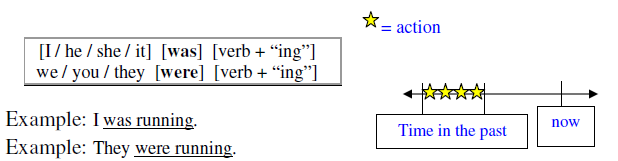
PAST CONTINUOUS
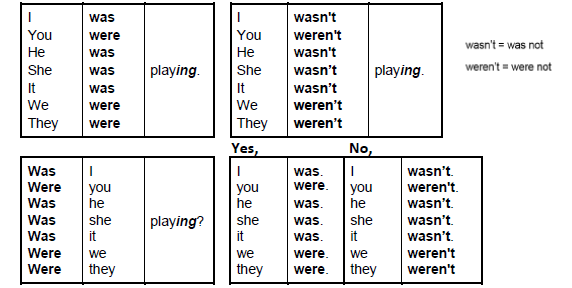
(Grammar)
I. Tick the most suitable verbs:-
a. I am ________________(reading/ writing/riding ) my bike.
b. My sister ___________(sat/caught/swam) on the swing.
c. Ranjan ___________(plays/draws/throws) cricket every evening.
d. We ______________(mended/wrote/ate) our lunch.
II. Fill in the blanks with suitable verbs:-
a) I am ……….in the park.
b) We …………with our hand.
c) Moms ……………tasty food.
d) We ………….to school by bus
e) Cow ……….grass.
f) I like to …………..in my free time.
g) Navya…………..his sister’s hair once.
h) …………………..to your teacher.
i) Babies are………..…very loudly.
j) Pragya is ………………..in the big pool.
k) Those girls…………. very fast.
l) Daksh is…………………… her diary.
m) The baby will………………. because it is hungry.
n) The boys ………………….into the swimming pool.
o) Babies are…………very loudly.
Free CBSE Practice Worksheets: Class 3 English Grammar
Download Chapter Worksheets: Class 3 English
Access structured practice worksheets for Grammar aligned with the 2026 CBSE curriculum. These downloadable exercises for Class 3 English help students build accuracy and reinforce core concepts for upcoming school tests.
Concept Clarification for Grammar
Designed around the official curriculum for Class 3 English, these practice sheets guarantee standard compliance. Reviewing step-by-step solutions after completion sharpens your accuracy and clarifies complex sub-topics within Grammar.
Effective Revision Strategies for School Exams
Consistent engagement with these exercises builds familiarity with recurring exam themes. If specific areas within Grammar cause trouble, utilize our dedicated NCERT solutions for Class 3 English to clear up doubts immediately.
FAQs
You can download the latest chapter-wise printable worksheets for Class 3 English Grammar for free from StudiesToday.com. These have been made as per the latest CBSE curriculum for this academic year.
Yes, Class 3 English worksheets for Grammar focus on activity-based learning and also competency-style questions. This helps students to apply theoretical knowledge to practical scenarios.
Yes, we have provided solved worksheets for Class 3 English Grammar to help students verify their answers instantly.
Yes, our Class 3 English test sheets are mobile-friendly PDFs and can be printed by teachers for classroom.
For Grammar, regular practice with our worksheets will improve question-handling speed and help students understand all technical terms and diagrams.