

Class 4 Environmental Studies Practice Sheet: CBSE Class 4 EVS Abdul In The Garden Worksheet
Explore structured practice materials through the CBSE Class 4 EVS Abdul In The Garden Worksheet. Tailored for Class 4 learners, utilizing these Environmental Studies worksheets ensures thorough preparation and strengthens problem-solving accuracy before final school evaluations.
Download Chapter 19 Abdul in the Garden Worksheet PDF with Answers
View or download the dedicated CBSE Class 4 EVS Abdul In The Garden Worksheet resource below. Engaging with these practice papers under focused study conditions ensures continuous academic progress and mastery of the 2026-27 curriculum for Chapter 19 Abdul in the Garden.
Question. Tick the correct answer
a. Which of the following has very deep and strong roots?
(i) Mustard
(ii) Sugarcane
(iii)Banyan
Answer : a. (iii) Banyan
b. Ria's mother wants to make dinner with the leaves of a plant. Which of the following can she use?
(i)Cabbage
(ii) Beans
(iii)Tomatoes
Answer : b. (i) Cabbage
c. What was Abdul doing in the garden?
(i)Playing
(ii)dancing
(iii) helping his Abbu
Answer : c. (iii) helping his Abbu
Question. Fill in the blanks
a. In plants the ________ carries the water to the leaves.
b. We have to dig the grass because it is ____________.
Answer : a. stem
b. strong
Question. Answer in one word
a. Which process that happens in a tree is shown in this picture? _________________
b. The neem tree did not fall despite the strong winds because it was __________
c. Desert Oak is found in ___________
Answer : a. making of food
b. deeply rooted
c. Australia
Question. Write true or false
a. Banyan tree roots hang like branches. ___________
b. The strong stem of the pea plant broke. ________
Answer : a. true
b. false
1. How do the different parts of the plant get water?
2. Write any four differences between living and non-living things?3. Fill in the blanks:
a. Abdul was helping his ___________ in the __________.
b. The pea plant has a ___________ stem.
c. Banyan tree has roots that look like _________ branches. They provide ________ to the tree.
d. Desert oak tree is found in _________.
e. ____________ and ____________ are living things.
f. ____________ and ____________ are non-living things.
4. Draw a plant and label all its parts.
Grade ________ Tr. Sign_________________
Work Sheet: L-19 Abdul in the Garden (EVS, Class IV)
Question 1. I. Draw fibrous and tap root systems. Give two examples each.
Tap root system (draw in the space provided)
Fibrous root system (draw in the space provided)
Ex: ______ Ex: ______
Answer: Tap root system: one thick main root goes deep into the soil with small side roots. Examples: mustard, carrot. Fibrous root system: many thin roots of almost equal size spread out from the base of the stem. Examples: wheat, maize.
In simple words: A tap root has one big main root. A fibrous root has many thin roots.
Exam Tip: Tap root = one main root. Fibrous root = many thin roots.
Question 2. II. Write down three uses of roots.
Answer: (1) Roots hold the plant firmly in the soil. (2) Roots absorb water and minerals from the soil. (3) Roots store food, as in carrot and radish.
In simple words: Roots hold the plant, drink water for it, and store food.
Exam Tip: Give three different uses, one per line.
Question 3. III. Identify these vegetables which are roots storing food.
Answer: (1) Carrot (2) Radish (3) Turnip (4) Sweet potato
In simple words: These parts we eat are roots that store food for the plant.
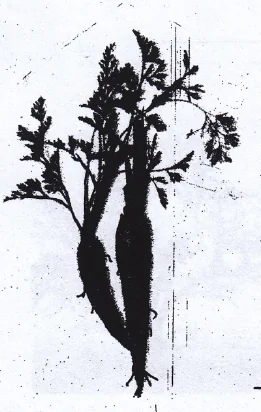
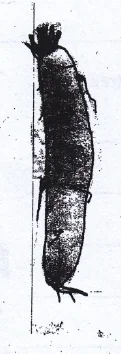
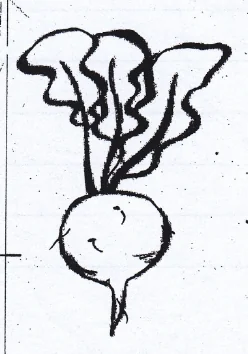
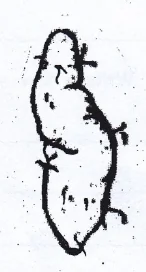
Exam Tip: Root vegetables grow under the soil and store food in them.
Question 4. Q. In which direction did the roots grow?
Answer: Downwards, into the soil (towards the ground).
In simple words: Roots always grow down into the soil.
Exam Tip: Roots grow downwards and stems grow upwards.
Question 5. IV. Name these plants with modified roots.
Answer: (1) Banyan tree (prop roots) (2) Orchid (aerial roots) (3) Money plant (aerial roots on the stem)
In simple words: These plants have special roots that grow above the ground.
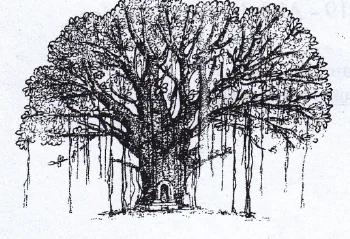
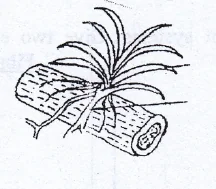
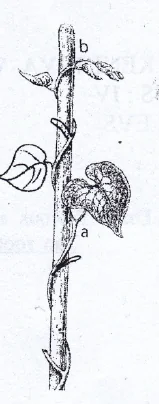
Exam Tip: Modified roots grow above ground, such as prop roots and aerial roots.
Question 6. V. Draw the stages in germination of seeds.
Answer: Draw these stages in order: (1) A seed takes in water and swells. (2) The root (radicle) comes out and grows downwards. (3) The shoot (plumule) comes out and grows upwards. (4) Leaves open and a young seedling is formed.
In simple words: A seed first soaks water, then sends a root down and a shoot up.
Exam Tip: Label the root and shoot in your drawing.
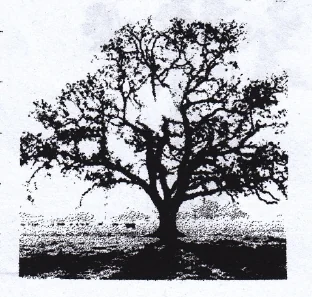
Question 7. VI. Write a few sentences about desert oak tree.
Answer: Sample answer: The desert oak tree grows in the dry deserts of Australia. Its roots go very deep into the soil to find water, so it can stay green in dry places. It gives shade to animals and people.
In simple words: Desert oak has deep roots that help it find water in the desert.
Exam Tip: Write your sentences in your own words.
CBSE Class 4 Environmental Studies Worksheets for Chapter 19 Abdul in the Garden
Download Chapter Worksheets: Class 4 Environmental Studies
Explore reliable practice questions for Chapter 19 Abdul in the Garden tailored for Class 4 Environmental Studies learners. Use these structured worksheets to evaluate exam preparedness and strengthen problem-solving skills throughout the 2026 academic session.
Concept Clarification for Chapter 19 Abdul in the Garden
Designed around the official curriculum for Class 4 Environmental Studies, these practice sheets guarantee standard compliance. Reviewing step-by-step solutions after completion sharpens your accuracy and clarifies complex sub-topics within Chapter 19 Abdul in the Garden.
Effective Revision Strategies for School Exams
Consistent engagement with these exercises builds familiarity with recurring exam themes. If specific areas within Chapter 19 Abdul in the Garden cause trouble, utilize our dedicated NCERT solutions for Class 4 Environmental Studies to clear up doubts immediately.
FAQs
You can download the latest chapter-wise printable worksheets for Class 4 Environmental Studies Chapter 19 Abdul in the Garden for free from StudiesToday.com. These have been made as per the latest CBSE curriculum for this academic year.
Yes, Class 4 Environmental Studies worksheets for Chapter 19 Abdul in the Garden focus on activity-based learning and also competency-style questions. This helps students to apply theoretical knowledge to practical scenarios.
Yes, we have provided solved worksheets for Class 4 Environmental Studies Chapter 19 Abdul in the Garden to help students verify their answers instantly.
Yes, our Class 4 Environmental Studies test sheets are mobile-friendly PDFs and can be printed by teachers for classroom.
For Chapter 19 Abdul in the Garden, regular practice with our worksheets will improve question-handling speed and help students understand all technical terms and diagrams.