

Official Class 4 Environmental Studies Worksheets: Chapter 11 The Valley of Flowers
Access comprehensive chapter-wise worksheets for Chapter 11 The Valley of Flowers using the CBSE Class 4 EVS The Valley Of Flowers Worksheet Set 01. Designed to align with the 2026-27 academic syllabus for Class 4 Environmental Studies, these printable practice sets help students reinforce key concepts and improve their overall exam readiness.
Solved Practice Worksheets for Environmental Studies
View or download the dedicated CBSE Class 4 EVS The Valley Of Flowers Worksheet Set 01 resource below. Engaging with these practice papers under focused study conditions ensures continuous academic progress and mastery of the 2026-27 curriculum for Chapter 11 The Valley of Flowers.
Question 1. Make your own floral rangoli design:
Answer: A floral rangoli can be made using colourful flower petals such as marigold, rose, jasmine, and chrysanthemum arranged in beautiful circular or geometric patterns on the floor.
In simple words: Create a colourful pattern on the floor using fresh flower petals.
Exam Tip: Use contrasting colours like yellow marigolds and red rose petals to make your rangoli design look attractive.
Question 2. Define the following:
Creepers:
Bushes:
Trees:
Answer:
- Creepers: Plants with weak stems that cannot stand upright and therefore spread along the ground.
- Bushes: Medium-sized plants with woody stems and many branches growing close to the ground (also called shrubs).
- Trees: Tall and big plants with a very strong, thick, and hard woody stem called a trunk.
In simple words: Creepers crawl on the ground, bushes are medium bushy plants, and trees are tall with thick trunks.
Exam Tip: Learn clear distinguishing features (stem type and height) for creepers, shrubs, and trees to score full marks.
Question 3. Name the following:
- A flower that always faces the sun
- A flower that has thorn on the plant on which it grows
- A flower that grows in water
- A flower that blooms only at night
- A flower as golden as its name
- A flower of a plant is eaten as a vegetable
Answer:
- Sunflower
- Rose
- Lotus (or Water Lily)
- Night-blooming Jasmine (or Queen of the Night / Parijata)
- Marigold (or Golden Champa)
- Kachnar flower (or Banana flower / Pumpkin flower)
In simple words: Match each clue with the correct flower name based on its special features.
Exam Tip: Memorize common examples for specific plant habits and floral characteristics.
Question 4. How is rose water useful?
Answer: Rose water is useful in many ways: it is used as a skin toner and cleanser in cosmetics, added to medicines and eye drops, used as a flavoring agent in sweets and traditional dishes, and sprayed during weddings and special ceremonies to welcome guests with a pleasant fragrance.
In simple words: Rose water is used for skincare, medicines, food flavoring, and spreading a sweet fragrance.
Exam Tip: Mention at least two distinct uses (e.g., cosmetic/skincare and culinary) for complete credit.
Question 5. List a few things in your house which have the scent of flowers.
THINGS | FLOWER
Answer:
1. Soap - Jasmine
2. Room Freshener - Lavender
3. Body Talcum Powder - Rose
In simple words: Common household items like soaps and fresheners often use floral scents.
Exam Tip: Ensure that the household item and the matching floral scent are logically paired.
Question 6. Identify the flowers given below and write one use of each: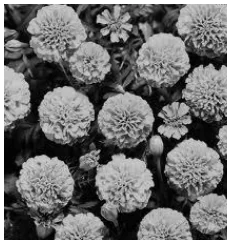
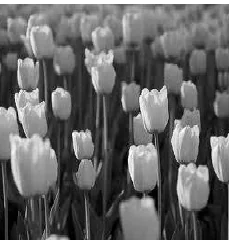
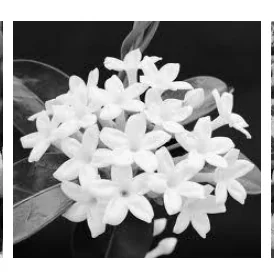
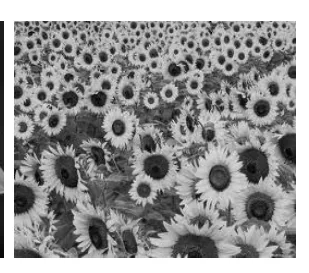
(a) Marigold (Genda)
(b) Tulip
(c) Jasmine (Mogra)
(d) Sunflower
Answer:
(a) Marigold: Used for making garlands for decorations and religious ceremonies.
(b) Tulip: Used widely in ornamental gardening and floral arrangements.
(c) Jasmine: Used to make fragrant perfumes and gajras for hair.
(d) Sunflower: Used for extracting edible sunflower oil from its seeds.
In simple words: Each flower has a special use such as decoration, perfume, or oil extraction.
Exam Tip: Study the visual appearance of common flowers like marigold, sunflower, and lotus from your textbook.
Question 7. Why are the colours used in Madhubani so special?
Answer: The colours used in Madhubani paintings are very special because they are completely natural and handmade. They are extracted from plants, flowers, leaves, and colored local soils (like indigo, turmeric, and flowers), and mixed with gum from trees to make the paint last long.
In simple words: Madhubani colors are special because they are made naturally from plants and flowers without any artificial chemicals.
Question 8. Look at the picture and answer the questions that follow: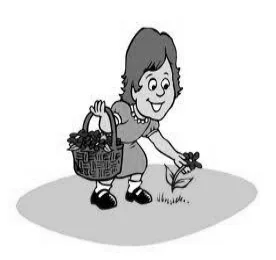
(a) What is the girl in the picture doing? Is she doing the right thing?
(b) What would you do if you see someone plucking flowers?
(c) Write any two slogans to stop plucking of flowers.
Answer:
(a) The girl in the picture is plucking flowers from a garden plant. No, she is not doing the right thing because plants and flowers should be protected, not harmed.
(b) If I see someone plucking flowers, I will politely request them not to pluck flowers and explain that plants feel pain and flowers beautify nature.
(c) Slogans:
1. Save flowers, save nature, keep our surroundings beautiful!
2. Flowers belong on plants, not on the ground!
In simple words: Plucking flowers harms plants. We must protect them and stop others from picking them.
Exam Tip: When writing slogans, keep them short, catchy, and directly related to environmental protection.
Question. Tick the correct answer
a. Pakoras made of Sahjan flower are eaten in:
i) Maharashtra
ii) Karnataka
iii) Tamil Nadu
Answer : a. (i) Maharashtra
b. Madhubani is a district in .
i) Uttar Pradesh
ii) Rajasthan
iii) Bihar
Answer : b. (iii) Bihar
Question. Fill in the blanks
a. is a very old form of folk art found in Bihar.
b. For making Madhubani paintings paste of is mixed with colours.
c. ___________is also used as medicine.
Answer : a. Madhubani
b. rice
c. Rose water
Question. Match the following
a. Itr. i . Flowers
b. Kewra ii. Madhubani
c. Birds, Trees and Trees iii. Kannauj
Answer : a – (iii)
b – (i)
c – (ii)
Question. Answer in one word
a. ‘Valley of Flowers.’ is situated in which state?
b. Name a flower which is cooked as vegetables.
Answer : a. Uttaranchal
b. Kachnar
Download Class 4 Environmental Studies Chapter 11 The Valley of Flowers Practice Worksheets
Daily Practice Questions for Class 4 Environmental Studies
Explore reliable practice questions for Chapter 11 The Valley of Flowers tailored for Class 4 Environmental Studies learners. Use these structured worksheets to evaluate exam preparedness and strengthen problem-solving skills throughout the 2026 academic session.
Detailed Answers for Class 4 Environmental Studies Chapter 11 The Valley of Flowers
Built using official NCERT guidelines for Class 4 Environmental Studies, these practice sheets provide reliable academic support. Cross-reference your completed work with our detailed solutions to learn standard answer-writing formats for CBSE exams.
Complete Your Chapter Revision
Follow up your worksheet practice by attempting the interactive online MCQ tests for Chapter 11 The Valley of Flowers to evaluate your execution speed. All printable assignments and revision sheets on our platform are updated for the 2026 session and available free of charge.
FAQs
You can download the latest chapter-wise printable worksheets for Class 4 Environmental Studies Chapter 11 The Valley of Flowers for free from StudiesToday.com. These have been made as per the latest CBSE curriculum for this academic year.
Yes, Class 4 Environmental Studies worksheets for Chapter 11 The Valley of Flowers focus on activity-based learning and also competency-style questions. This helps students to apply theoretical knowledge to practical scenarios.
Yes, we have provided solved worksheets for Class 4 Environmental Studies Chapter 11 The Valley of Flowers to help students verify their answers instantly.
Yes, our Class 4 Environmental Studies test sheets are mobile-friendly PDFs and can be printed by teachers for classroom.
For Chapter 11 The Valley of Flowers, regular practice with our worksheets will improve question-handling speed and help students understand all technical terms and diagrams.