

Download CBSE Class 8 Science VBQs: Chapter 18 Pollution of Air and Water
Explore authentic value-based practice materials through the CBSE Class 8 Science Pollution of Air and Water VBQs. Tailored for Class 8 learners, utilizing these Science VBQs ensures thorough preparation and strengthens moral reasoning skills before final CBSE evaluations.
Access CBSE Value Based Questions and Answers
Navigate directly to the solved Science Value Based Questions using the digital viewer below. Each practice set includes detailed solutions, allowing students to instantly cross-check their work and understand the ethical dimensions of the topic.
Question. Some houses in India add alum (called 'fitkari' in Hindi) to the water to purify it before drinking. How does it purify the water?
(a) It reacts with the impurities making them harmless.
(b) It causes impurities to dissolve in the water.
(c) It causes impurities to stick to it and settle down.
(d) It diffuses the impurities through reverse osmosis.
Answer : C
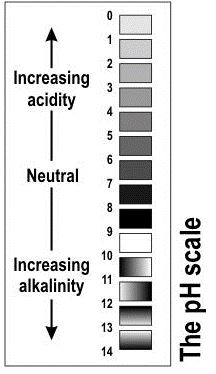
Question. Normal rain water has a pH of 5.6. Fishes and other aquatic animals die when the water becomes more acidic. Which of these gases is likely to make rain water more acidic?
(a) Ozone
(b) Sulphur dioxide
(c) Nitrogen
(d) Hydrogen peroxide
Answer : B
Question. The United Nations Committee for the Transport of Dangerous Goods has specified symbols to be used while transporting dangerous goods. Which of these substances would carry this sign while being transported?
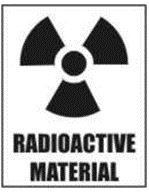
(a) Uranium
(b) Petrol
(c) LPG
(d) Coal
Answer : A
Question. Which of these energy sources is likely to most pollute the air with sulphur dioxide for each unit of electricity generated?
(a) Coal
(b) Natural gas
(c) Nuclear fuel
(d) Wind generators
Answer : A
Question. A smoke detector, shown in the figure below - consists of a light source and a light detector which triggers an alarm when light falls on it. The smoke detector works on the principle of scattering of light by particles in the smoke. In the figure below, where should the light-detector be fitted, and where should the entry of the smoke be from? Choose the BEST answer!
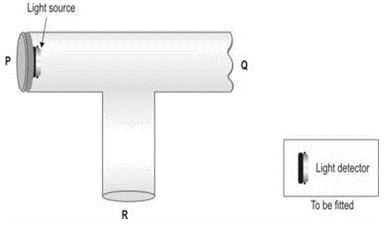
| Light Detector | Entry of Smoke | |
| A | Q or R | P |
| B | P | R |
| C | R | Q |
| D | Q | Q or R |
(a) A
(b) B
(c) C
(d) D
Answer : C
Question. Four test tubes are taken with water and a special chemical which can detect the presence of carbon dioxide. A water plant and / or water animal was taken in each test tube as shown. (The chemical mentioned is not harmful to the plant or animal.)The chemical causes the solution to turn yellow if there is a lot of carbon dioxide. Which test tube is most likely to turn yellow?

Answer : B
Question. The pH value of a solution is the measure of its acidity. The lower the pH value the greater is the acidity. Use the information in the figure given below and answer the question.
Which of these statements is true according to the graphic?
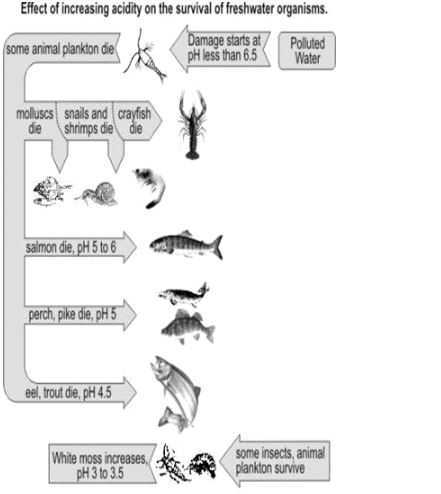
(a) the ideal pH for salmon to breed is between 5 and 6
(b) the lower the pH of a lake, the more polluted probably it is
(c) no animal plankton are affected till the pH falls below 4
(d) the ideal pH for a freshwater lake is about 5
Answer : B
Question. The pH value of a solution is the measure of its acidity. The lower the pH value the greater is the acidity. Use the information in the figure given below and answer the question.
If there was a lake with only some insects, some animal plankton and white moss growing at the bottom, its pH is likely to be around
The pH value of a solution is the measure of its acidity. The lower the pH value the greater is the acidity. Use the information in the figure given below and answer the question.
(a) 10
(b) 6.5
(c) 5
(d) 3.5
Answer : D
Question. See the map below showing the position of two factories and a village. People in the village suspect that one or both of the factories are polluting the river from which they use the water for their daily needs. However the factories claim that the river is already polluted before it reaches them and they are not responsible for the pollution. (Note the direction of the river's flow.)
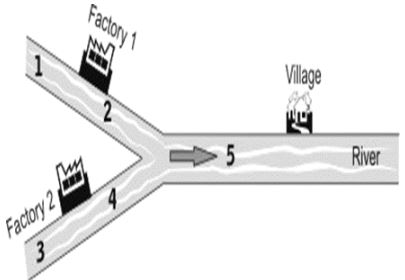
(a) All five points 1, 2, 3, 4 and 5
(b) Four points 1, 2, 3 and 4
(c) Four points 1, 2, 4 and 5
(d) Three points 2, 4 and 5
Answer : B
Question. Which type of pollution is caused by bursting a lot of crackers during Diwali?
(a) Water pollution
(b) Air and sound pollution
(c) Light and sound pollution
(d) Only sound pollution
Answer : B
Question. Factories usually have chimneys to :
(a) Reduce noise pollution.
(b) Reduce water pollution.
(c) Disperse harmful gases.
(d) Make the buildings more beautiful.
Answer : C
Question. Which of the following is not a greenhouse gas?
(a) Carbon dioxide
(b) Sulphur dioxide
(c) Methane
(d) Nitrogen
Answer : D
Question. What are the different ways in which water gets contaminated?
Answer : Following are the ways by which water gets contaminated:
• People dispose of garbage in the water.
• Many industries discharge their harmful chemicals directly into rivers and streams.
• Chemical fertilizers, pesticides and weedicides used in agricultural practices get dissolve in water and are washed away into water bodies from the fields.
• Untreated sewage is directly discharged into water from household activities.
Question. Describe the threat to the beauty of the Taj Mahal.
Answer :The major threat to the Taj Mahal is the acid rain. Acid rain corrodes the marble of Taj Mahal and makes it yellowish. This is a matter of great concern that world famous monument like Taj Mahal may get damaged due to the pollutants emitted by factories around it.
Question. Clear, transparent water is always fit for drinking. Comment.
Answer : No, this is not true that clean, transparent water is always fit for drinking. It is possible that they may carry disease-causing microorganisms and other transparent impurities.
Question. Explain circumstances leading to acid rain. How does acid rain affect us?
Answer : Gases like sulphur dioxide and nitrogen dioxide react with water vapour present in atmosphere to form Sulphuric acid and nitric acid. These acids come down with rain water, making the rain acidic. This is known as acid rain.
Acid rain corrodes the marbles of the monuments. It also kills the useful organism in agricultural soil.
Question. You are a member of the municipal body of your town. Make a list of measures that would help your town to ensure the supply of clean water to all its residents.
Answer : The following steps could be taken:
(a) First of all, procurement of required amount of water for all residents should be ensured.
(b) Wastage of water by leakage at various places should be taken into account.
(c) Water treatment should be ensured.
(d) Must have sufficient water tanker to meet emergency situations.
Question. Explain the differences between pure air and polluted air.
Answer : Pure air is free from any pollutant, has no smell, is soothing and not irritating to eyes. Whereas polluted air gives a filthy smell and people cannot breathe in it. If people inhale such air, they may suffer from various breathing, heart and lung problems. Even sometimes people die inhaling polluted air.
Question. Prepare a brief speech on global warming. You have to deliver the speech in your class.
Answer : Good Morning,
Respected teacher and my dear friends,
As we all know the continuous increase in the temperature of earth is called global warming. Global warming is basically caused by pollution of air, excessive heat which is trapped by the greenhouse gases.
Global warming is a threat to life as it causes a lot of problems like droughts and fire. So we should plant more trees and should avoid air pollution.
Thanks.
Question. At an individual level, how can you help to reduce air pollution?
Answer : The following are the steps we can take for reduction of air pollution:
i) We should use public transport.
ii) We should properly dispose of the garbage and not burn it.
iii) For shorter distances, avoid vehicles.
iv) We should plant more trees.
v) We should replace our vehicle fuel, diesel and petrol by LPG and CNG.
Question. Why does the increased level of nutrients in the water affect the survival of aquatic organisms?
Answer : Increased level of nutrients in the water affect the survival of aquatic organisms as these act as nutrients for algae to flourish and once these algae die, they serve as food for decomposers like bacteria and a huge amount of oxygen in water body gets used up. This results in decrease in the oxygen level, which may kill aquatic organisms.
Question. Describe the ‘Greenhouse Effect’ in your own words.
Answer : Gases like carbon dioxide and methane trap Sun’s radiation reflected from earth’s surface. This causes warming of atmosphere. This effect is called greenhouse effect.
Free study material for Science
Moral and Ethical Questions: Class 8 Science Chapter 18 Pollution of Air and Water
About Chapter 18 Pollution of Air and Water Value-Based Questions
Explore curated Value-Based Questions (VBQs) for Chapter 18 Pollution of Air and Water, structured according to the latest CBSE curriculum for Class 8 Science. These problems focus on ethical and real-world themes to strengthen analytical reasoning.
How to Use These Value-Based Questions
Built using the official NCERT book for Class 8 Science, these solved problem sets provide reliable guidance. Cross-reference your answers with our expert-verified keys for complete conceptual clarity.
Real-Life Applications in Science
Explore our wider library of free chapter notes, worksheets, and online mock tests to support your ongoing revision and secure top-tier academic results.
FAQs
The latest collection of Value Based Questions for Class 8 Science Chapter 18 Pollution of Air and Water is available for free on StudiesToday.com. These questions are as per 2026 academic session to help students develop analytical and ethical reasoning skills.
Yes, all our Science VBQs for Chapter 18 Pollution of Air and Water come with detailed model answers which help students to integrate factual knowledge with value-based insights to get high marks.
VBQs are important as they test student's ability to relate Science concepts to real-life situations. For Chapter 18 Pollution of Air and Water these questions are as per the latest competency-based education goals.
In the current CBSE pattern for Class 8 Science, Chapter 18 Pollution of Air and Water Value Based or Case-Based questions typically carry 3 to 5 marks.
Yes, you can download Class 8 Science Chapter 18 Pollution of Air and Water VBQs in a mobile-friendly PDF format for free.