

Download Class 10 Science Concept Summaries: CBSE Class 10 Science Life Processes Notes Set 02
Explore reliable concept summaries and revision materials through the CBSE Class 10 Science Life Processes Notes Set 02. Tailored for Class 10 learners, utilizing these notes for Science Chapter 05 Life Processes ensures thorough preparation and strengthens core academic definitions before final evaluations.
Access Chapter 05 Life Processes Notes and Study Material
View or download the dedicated Chapter 05 Life Processes revision resource below. Engaging with these structured concept notes daily ensures continuous academic progress and mastery of the 2026-27 curriculum for Science.
Class-X
Ch 6: Life Processes.
Chapter Notes
Key learnings:
1) The ability to perform the basic life processes distinguishes a living organism from a non-living one.
2) Life processes are the vital processes carried out by living organisms in order to maintain and sustain life. Molecular movements are essential to carry out the various life processes.
3) Specialised body parts perform the various life processes in multicellular organisms. No such organs are present in unicellular organisms.
4) Energy required to carry out the different life processes, is obtained from carbon-based food sources through nutrition.
5) Depending on the mode of obtaining nutrition, organisms are classified as autotrophs or heterotrophs.
i) Autotrophs can prepare their own food from simple inorganic sources like carbon dioxide and water. (eg- green plants, some bacteria)
ii) Heterotrophs cannot synthesize their own food and is dependent on the autotrophs for obtaining complex organic substances for nutrition. (eg. – animals)
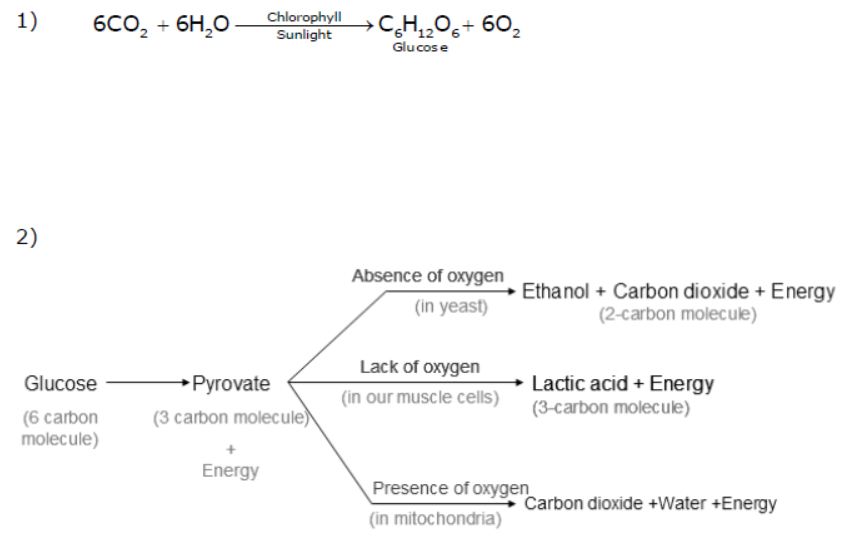
6) Green plants prepare their food by the process of photosynthesis. Here, they utilize CO2, H2O and sunlight, with the help of chlorophyll, giving out O2 as a byproduct.
7) In the light reaction of photosynthesis, light energy is absorbed and converted to chemical energy in the form of ATP. Also water molecules are split into hydrogen and oxygen.
8) Carbon dioxide is reduced to carbohydrates in the dark phase of photosynthesis.
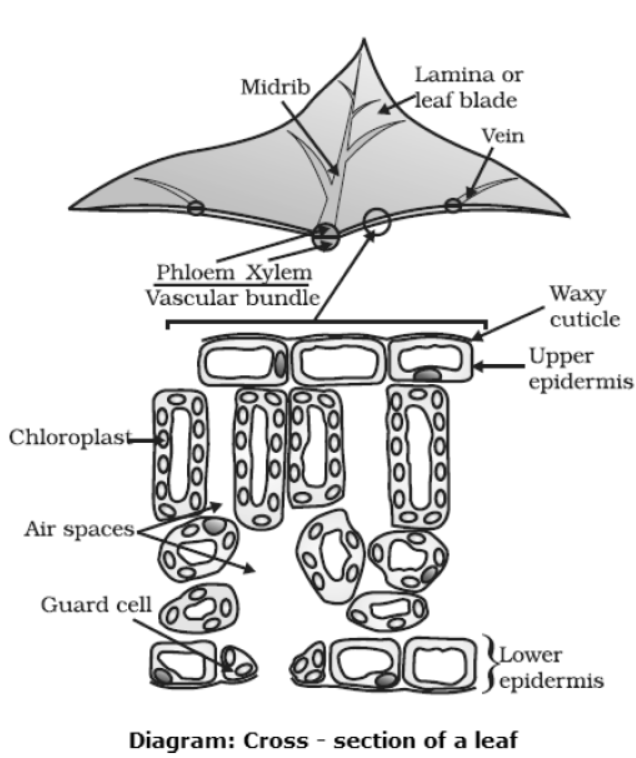
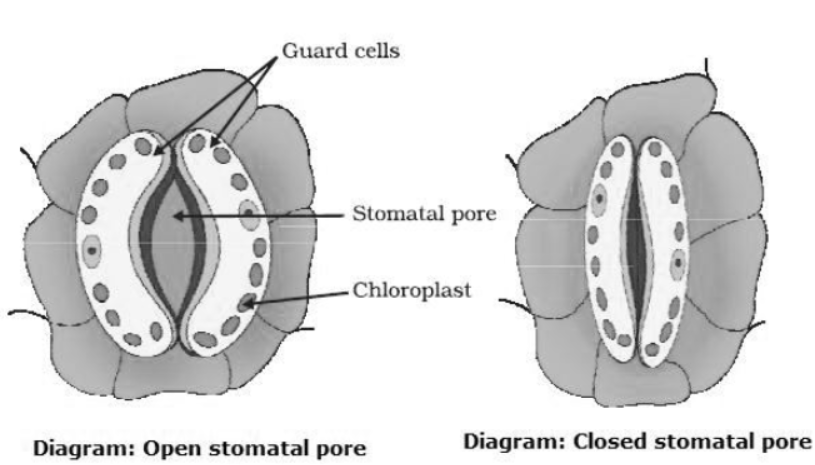
9) Plants carry out gaseous exchange with surrounding through stomata.
10) Heterotrophs may be herbivores, carnivores, parasites or saprophytes.
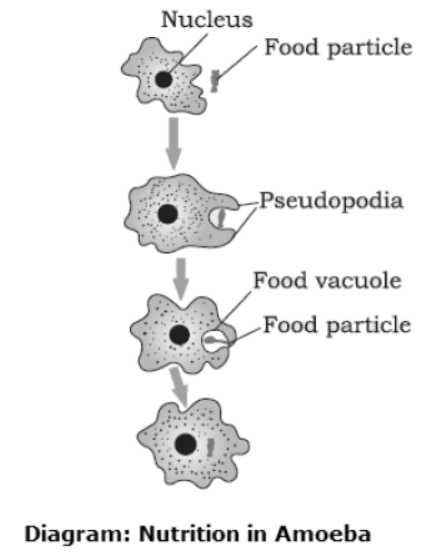
11) In Amoeba, digestion occurs in the food vacuole, formed by the engulfing of food by its pseudopodia.
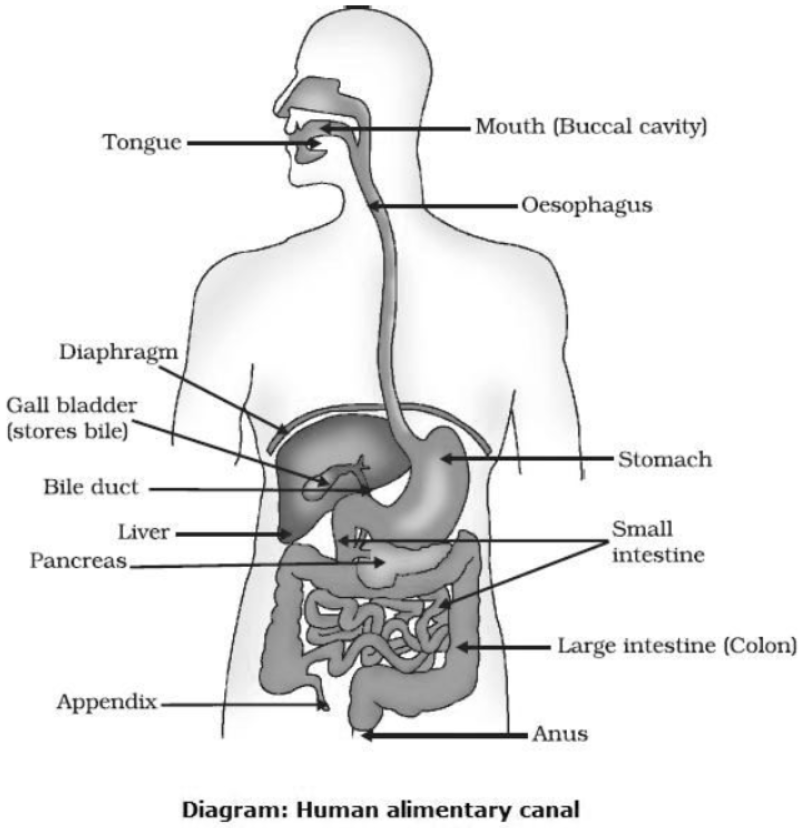
12) In humans, digestion of food takes place in the alimentary canal, made up of various organs and glands.
13) In mouth, food is crushed into small particles through chewing and mixed with saliva, which contains amylase for digesting starch.
14) On swallowing, food passes through pharynx and oesophagus to reach stomach. The gastric juice contains pepsin (for digesting
15) Liver secretes bile which emulsifies fat.
16) Pancreatic juice contains enzymes amylase, trypsin and lipase for digesting starch, proteins and fats respectively.
17) In the small intestine, carbohydrates, proteins and fats are completely digested into glucose, amino acids, and fatty acids and glycerol respectively.
18) The villi of small intestine absorb the digested food and supply it to every cell of the body.
19) The undigested food is egested from the body through anus.
20) During respiration, the digested food materials are broken down to release energy in the form of ATP.
22) Depending on the requirement of oxygen, respiration may be
i) Aerobic - occurring in presence of oxygen or
ii) Anaerobic – occurring in absence of oxygen.
23) The end-products are lactic acid or ethanol + CO2, in anaerobic respiration or CO2 and water in aerobic respiration. Large amount of energy is released in aerobic respiration as compared to anaerobic respiration.
24) Plants release CO2 at night and oxygen during the day.
25) Terrestrial organisms use atmospheric oxygen for respiration whereas aquatic organisms use the dissolved oxygen in water.
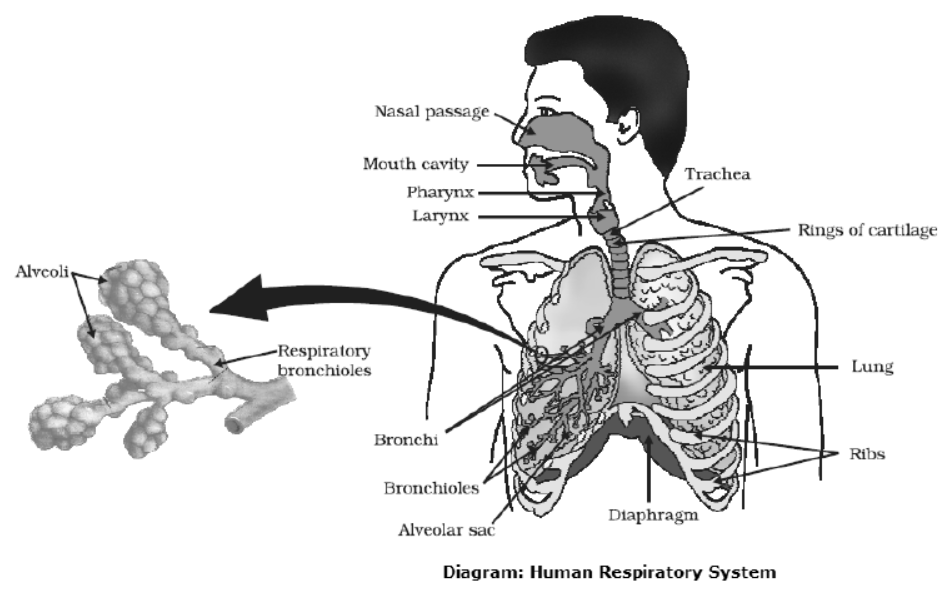
26) In humans, air takes the following path on entering the nostrils.
Nostrils → Nasal passage → Pharynx → Larynx → Trachea → Bronchus → Bronchiole → Alveolus.
27) The alveoli of lungs are richly supplied with blood and are the sites where exchange of gases (O2 and CO2) occurs between blood and atmosphere.
28) In humans, the respiratory pigment haemoglobin, carry oxygen from lungs to different tissues of the body.
30) In humans, the circulatory system transports various materials throughout the body and is composed of the heart, blood and blood vessels.
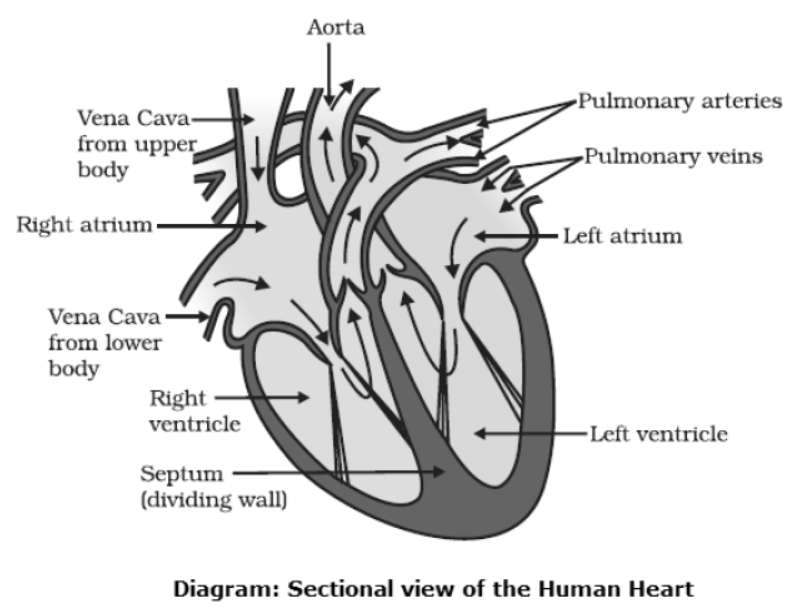
31) Human heart has 4 chambers – 2 atria (right and left) and 2 ventricles (right and left). Right half of the heart receives deoxygenated blood whereas the left half receives oxygenated blood.
32) Ventricular walls are much thicker than atrial walls.
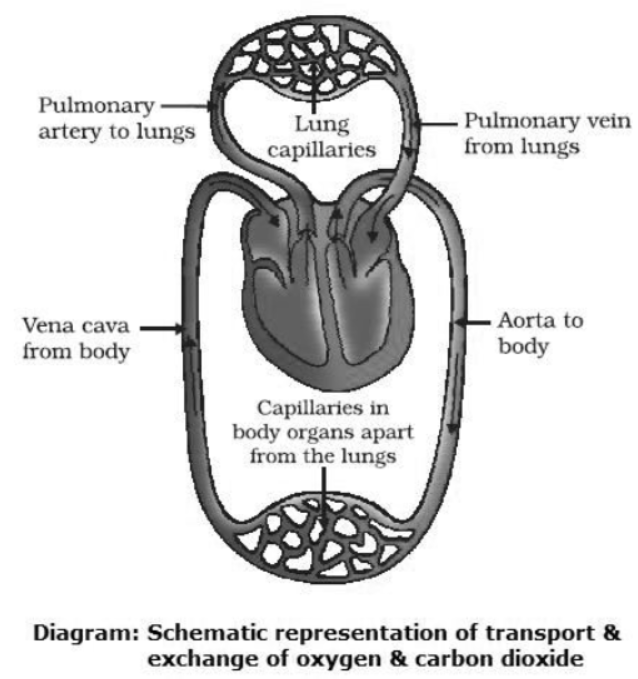
33) Arteries carry blood from heart to different parts of the body whereas veins deliver the blood back to the heart. Arteries are connected to veins by thin capillaries, wherein materials are exchanged between blood and cells.
34) Humans show double circulation and complete separation of oxygenated and deoxygenated blood.
35) Blood platelets are essential for clotting of blood at the place of injury and thus preventing blood loss.
36) Lymphatic system consists of lymph, lymph nodes, lymphatic capillaries and lymph vessels which drain into larger veins. Lymph is also important in
the process of transportation.
37) In plants, water is transported through the xylem tissue, from roots to the aerial parts of the plant. Root pressure and transpiration pull are the major forces involved in pulling water up the xylem.
38) Translocation of food is carried out through phloem tissue from leaves and storage organs to other parts of the plant. This process requires energy from ATP.
39) During excretion, the harmful metabolic nitrogenous wastes generated are removed from the body.
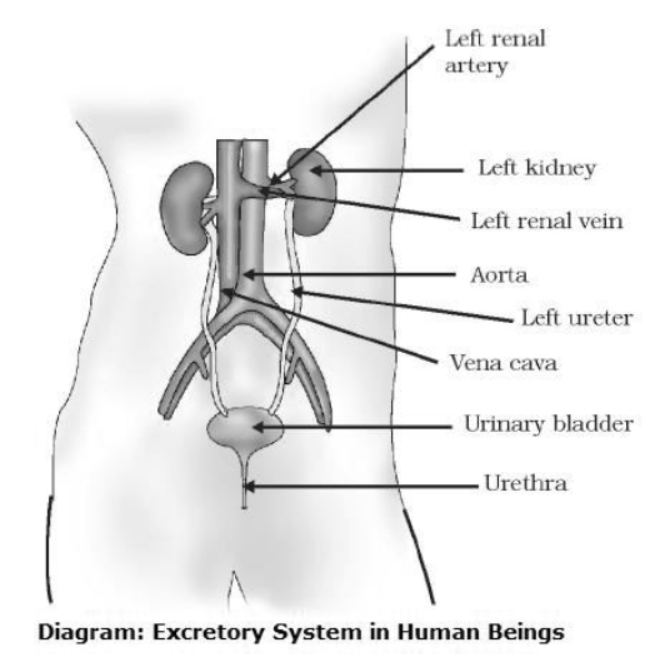
40) In humans, a pair of kidneys, a pair of ureters, urinary bladder and urethra constitutes the excretory system.
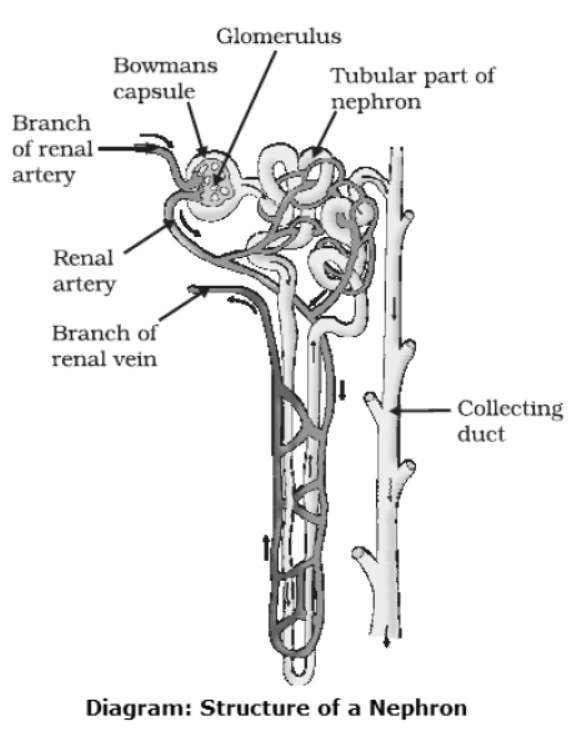
41) Nephrons are the basic filtration units of kidneys. They carry out filtration, selective reabsorption and tubular secretion to form urine in kidney, which is then passed out through the urethra, via the ureters and urinary bladder.
42) Plants do not have an excretory system and carries out excretion in various ways like transpiration, releasing wastes into surrounding soil, losing the leaves and storing in cell vacuoles and in old xylem. Top definitions
Top definitions
1) Life processes - The vital processes carried out by living organisms in order to maintain and sustain life.
2) Nutrition - The process of obtaining and utilizing the nutrients necessary to sustain life.
3) Autotrophic nutrition - Nutrition characterized by the ability to use simple inorganic substances for the synthesis of more complex organic compounds, as in green plants and some bacteria
4) Autotroph - An organism capable of synthesizing its own food from simple inorganic substances, using light or chemical energy.
5) Heterotrophic nutrition – A type of nutrition in which energy is derived from the intake and digestion of organic substances, normally plant or animal tissues
6) Heterotrophs – An organism that cannot synthesize its own food and is dependent on complex organic substances for nutrition
7) Photosynthesis – The process by which plants and other organisms generate carbohydrates and oxygen from carbon dioxide and water using light energy, with the help of chlorophyll.
8) Stomata – The minute pores present in the epidermis of a leaf or stem through which gaseous exchange and transpiration occur.
9) Alimentary canal – A long tube extending from the mouth to the anus that has regions specialized for ingestion, digestion, absorption, and egestion.
10) Enzymes – The biological catalysts which speed up the rate of biochemical reactions in the body.
11) Peristalsis – The process of wave-like contractions and relaxations of the alimentary tract that propels the food forward through the tract.
12) Gastric glands – The glands present in the wall of the stomach that release HCl, pepsin and mucus.
13) Pepsin – A digestive enzyme found in gastric juice that catalyzes the breakdown of proteins to peptides.
14) Emulsification of fat – A process in which bile salts emulsifies fat globules, i.e. increases the surface area of the oil–water interface, which promotes the breakdown of fats by pancreatic lipase.
15) Bile – A digestive juice secreted by the liver, stored in the gallbladder and aids in the digestion of fats.
16) Pancreatic juice - A clear alkaline secretion of the pancreas containing enzymes that aid in the digestion of proteins, carbohydrates, and fats.
17) Trypsin – A pancreatic enzyme that catalyzes the breakdown of proteins into smaller units.
18) Lipase – An enzyme that catalyze the breakdown of fats into fatty acids and glycerol.
19) Intestinal juice – The digestive fluid secreted by the glands lining the walls of the small intestine.
20) Villi – The numerous projections arising from the inner lining of the small intestine, which increase the surface area for absorption.
21) Egestion – The elimination of the waste and undigested matter from the digestive tract through the anus.
22) Respiration – The process by which food is burned by living cells to release energy in the form of ATP, for various body purposes.
23) Aerobic respiration – The metabolic process that uses oxygen to break down food and produce carbon dioxide and water, along with the release of energy.
24) Anaerobic respiration – The metabolic process by which nutrients are broken down in the absence of oxygen to release energy.
25) Alveoli – The tiny air sacs of the lungs where gas exchange occurs with the circulatory system.
26) Trachea – A thin walled tube of the respiratory system with cartilaginous rings that conveys inhaled air from the larynx to the bronchi.
27) Bronchus – Either of the two main branches of the trachea, which delivers air to the lungs from trachea.
28) Haemoglobin – The respiratory pigment present in the red blood cells of vertebrates, which transports oxygen from lungs to the tissues.
29) Blood plasma – The fluid portion of the blood in which the blood cells are normally suspended.
30) Atria – The two upper chambers in the heart, which receive blood from the veins and push it into the ventricles.
31) Ventricles – The two lower chambers of the heart, which receive blood from the atria and pump it into the arteries.
32) Double circulation – A type of circulation in which the blood flows through the heart twice, during each cycle of passage through the body.
33) Arteries – The blood vessels which carry blood away from the heart to various organs of the body.
34) Veins – The blood vessels which collect blood from different organs of the body and bring it back to the heart.
35) Blood clotting – The process by which the blood coagulates to form solid masses, or clots so as to prevent blood loss during injury.
36) Blood clot - A semisolid gelatinous mass of coagulated blood that consists of red blood cells, white blood cells, and platelets entrapped in a fibrin network.
37) Root pressure – Pressure exerted in the roots of plants as the result of osmosis that causes sap to rise through a plant stem to the leaves.
38) Transpiration – The loss of water vapour from the aerial parts of the plant.
39) Translocation – The transport of soluble products of photosynthesis from leaves or storage organs to other parts of the plant through phloem.
40) Excretion – The biological process by which the harmful metabolic wastes are removed from the body.
41) Kidney – Either of the two bean-shaped excretory organs that filter wastes (especially urea) from the blood and excrete them and water in urine.
42) Nephron – The basic filtration unit in the kidneys, which removes waste products from the blood and forms urine.
Top Reactions
Top diagrams
Please click the link below to download pdf file for CBSE Class 10 Biology Life Processes Notes.
Free study material for Science
Study Material and Revision Notes for Class 10 Science Chapter 05 Life Processes
Download Chapter Summary: Class 10 Science Chapter 05 Life Processes
Explore reliable chapter overviews for Chapter 05 Life Processes tailored for Class 10 learners. Use these structured points to grasp difficult themes and ensure solid preparation for upcoming assessments.
Concept Clarification for Chapter 05 Life Processes
Cross-reference your comprehension with comprehensive NCERT solutions for Class 10 to ensure absolute clarity across all sub-topics in this chapter.
Additional Study Resources for Class 10 Science
Explore our broader library of printable assignments, chapter notes, and mock tests designed to support continuous revision and secure higher marks in CBSE assessments.
FAQs
You can download the teacher prepared revision notes for CBSE Class 10 Science Life Processes Notes Set 02 from StudiesToday.com. These notes are designed as per 2026-27 academic session to help Class 10 students get the best study material for Science.
Yes, our CBSE Class 10 Science Life Processes Notes Set 02 include 50% competency-based questions with focus on core logic, keyword definitions, and the practical application of Science principles which is important for getting more marks in 2026 CBSE exams.
Yes, our CBSE Class 10 Science Life Processes Notes Set 02 provide a detailed, topic wise breakdown of the chapter. Fundamental definitions, complex numerical formulas and all topics of CBSE syllabus in Class 10 is covered.
These notes for Science are organized into bullet points and easy-to-read charts. By using CBSE Class 10 Science Life Processes Notes Set 02, Class 10 students fast revise formulas, key definitions before the exams.
No, all study resources on StudiesToday, including CBSE Class 10 Science Life Processes Notes Set 02, are available for immediate free download. Class 10 Science study material is available in PDF and can be downloaded on mobile.