

Download Class 3 Science Worksheets for All Chapters
Explore reliable practice materials for All Chapters tailored for Class 3 learners. Utilizing these Science worksheets ensures thorough preparation and strengthens problem-solving speed for upcoming school assessments.
Access All Chapters Questions and Exercises
Access the complete worksheet PDF for All Chapters below. Regular practice with these targeted questions builds familiarity with standard exam patterns and helps secure higher marks in final Science evaluations.

Q.1 Fill in the blanks:
1. Animals need food to Grow.
2. Animals need energy to work.
3. All food chain began from plant.
4. Plants eating animals is known as herbivore.
5. Flesh eating animals is known as carnivore.
6. An animal which eat both plants and animals is known as omnivore.
7. An animal which works for humans is known as Domestic animal.
8. Domestic animals should be fed on Oat and Fodder.
9. Animals like cows, buffaloes and goats gives us milk.
10. Milk producing animals should be fed on grass and oilseed-cakes.
Q.2 Give two examples for the following.
1. Carnivores: Tiger Fox
2. Herbivores: Monkey Goat
3. Omnivores: Crow Jackal
4. Domestic animals: Horse Camel
5. Energy giving food for domestic animals: Oat Fodder
6. Milk-producing food: Grass Oilseed-cakes
7. Animals used for carrying load: Elephant Mules
Q.3 Unscramble the words given below.
1. Energy. 2. Plants 3. Food chain 4. Animals 5. Tiger
6. Bear 7. Crow 8. Oxen 9. Goat 10. Cow
New Words ( copy New words twice in notebook)
1.Cells 2. Tissues 3. Digestion 4. Respiratory system
5. Oxygen 6. Intestine 7. Vessels 8. Circulatory system
9. skeletal 10. Muscular 11. Excretory 12. Spinal cord
13. urine 14. Kidney. 15. liver
Define the term
1. Cell: the tiny working unit of human body.
2. Sense organs : the organs which tells us about the world.
3. Heart: a pumping organ which pumps the blood to different part of the body.
Answers
1. The sense organs are connected to the brain through nerves.
2. Not to be done.
3. Oxygen burns the food we eat and gives us energy.
4. Skeletal system and muscular system are the two organ system which helps the body and its parts to move.
5. The function of reproductive system is to produce babies, so that life on earth goes on.
Extra questions
Q.6 Define digestion.
Ans: Digestion is the process of changing food in to simpler form so that it can be used by the body parts.
Q.7 What is the function of heart?
Ans: The heart pump the blood to different parts of the body through small and big blood vessels
Q.1. Choose the correct option and fill in the blanks:-
1. ______ changes from day to day or hour to hour.
climate (. ). weather (. )
2. The ____, the wind , the cloud and the rain causes change in weather.
Moon (. ). sun (. )
3. ____ is good for crop.
Rain( ). Flood (. )
4. _____ is caused when it does not rain for long time.
Drought (. ). Flood (. )
5. Gently blowing wind is called ____
Breeze (. ). Rain (. )
6. Tiny drops of ____ cling together to form cloud.
Water (. ). Food (. )
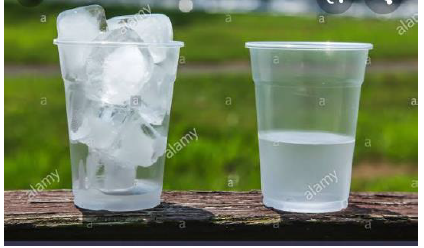
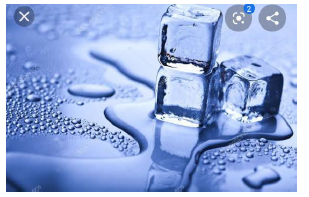
7. When we cool water , ___ is formed.
Ice (. ). Steam (. )
8. When we hear water _____ is formed.
Steam (. ). Ice (. )
9. _____ damages crops and buildings.
Breeze (. ). Flood (. )
10. Water from water bodies is evaporated because of the heat of _____.
Sunlight (. ). Moonlight (. )
Q.1 Match the following.
COLUMN A COLUMN B
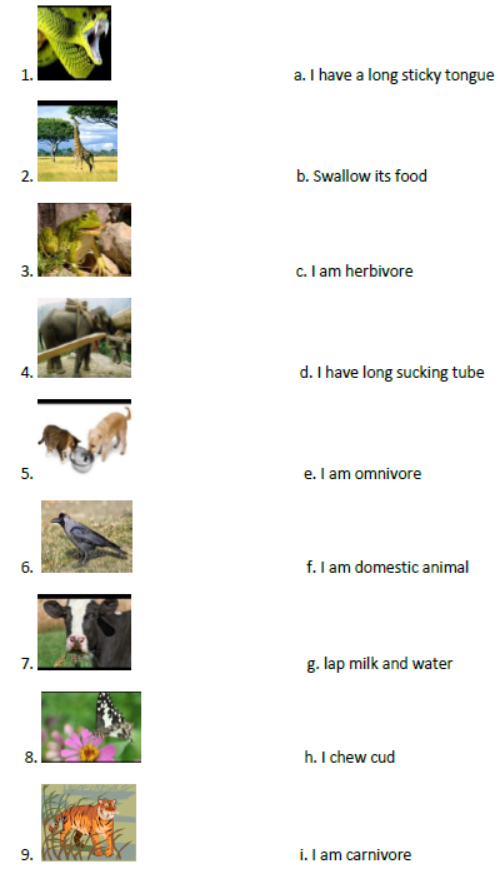
Please click on below link to download CBSE Class 3 Science Worksheet A
Download CBSE Practice Material: Class 3 Science All Chapters
CBSE Practice Material: Class 3 Science All Chapters
Explore reliable practice questions for All Chapters tailored for Class 3 Science learners. Use these structured worksheets to evaluate preparedness and strengthen problem-solving skills.
NCERT-Aligned Questions and Solutions
Each worksheet is structured around standard CBSE textbooks, allowing students to check their working steps and correct mistakes early in their revision.
Next Steps in Your Exam Preparation
Follow up your worksheet practice by attempting the interactive online Science MCQ test for this chapter to evaluate your execution speed. All platform resources are free to access.
FAQs
You can download the teacher-verified PDF for CBSE Class 3 Science Worksheet A from StudiesToday.com. These practice sheets for Class 3 Science are designed as per the latest CBSE academic session.
Yes, our CBSE Class 3 Science Worksheet A includes a variety of questions like Case-based studies, Assertion-Reasoning, and MCQs as per the 50% competency-based weightage in the latest curriculum for Class 3.
Yes, we have provided detailed solutions for CBSE Class 3 Science Worksheet A to help Class 3 and follow the official CBSE marking scheme.
Daily practice with these Science worksheets helps in identifying understanding gaps. It also improves question solving speed and ensures that Class 3 students get more marks in CBSE exams.
All our Class 3 Science practice test papers and worksheets are available for free download in mobile-friendly PDF format. You can access CBSE Class 3 Science Worksheet A without any registration.