

Practice Worksheets for Class 4 Mathematics: Pictography
Access printable practice worksheets for Pictography designed to align with the 2026-27 academic syllabus for Class 4 Mathematics. These structured exercises help students evaluate their conceptual understanding and improve exam readiness.
Practice Pictography Worksheets for Class 4 Mathematics
Navigate directly to the printable exercises for Pictography using the digital viewer below. Each practice set allows students to isolate specific topics for thorough review and uninterrupted practice alongside standard textbooks.
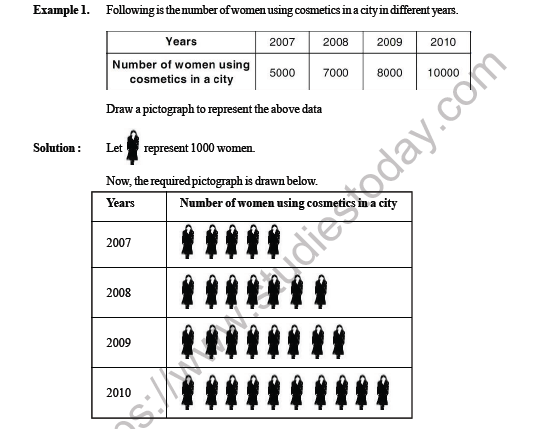

Please click on below link to download CBSE Class 4 Maths Pictography Worksheet
Free study material for Mathematics
Practice Worksheet and Study Resources for Class 4 Mathematics Pictography
Chapter Practice Questions for Class 4 Mathematics
Review targeted practice exercises for Class 4 Mathematics Pictography. Curated to match official CBSE guidelines, these downloadable PDF sheets support daily revision and core concept reinforcement.
Expert Practice Material for Class 4 Mathematics
Built using the official NCERT book for Class 4 Mathematics, these practice materials provide reliable academic guidance. Pair your practice with our recommended NCERT solutions to master optimal problem-solving approaches.
Complete Your Chapter Revision
Explore our broader library of printable assignments, chapter notes, and mock tests designed to support continuous revision and secure higher marks in CBSE assessments.
FAQs
You can download the teacher-verified PDF for CBSE Class 4 Maths Pictography Worksheet from StudiesToday.com. These practice sheets for Class 4 Mathematics are designed as per the latest CBSE academic session.
Yes, our CBSE Class 4 Maths Pictography Worksheet includes a variety of questions like Case-based studies, Assertion-Reasoning, and MCQs as per the 50% competency-based weightage in the latest curriculum for Class 4.
Yes, we have provided detailed solutions for CBSE Class 4 Maths Pictography Worksheet to help Class 4 and follow the official CBSE marking scheme.
Daily practice with these Mathematics worksheets helps in identifying understanding gaps. It also improves question solving speed and ensures that Class 4 students get more marks in CBSE exams.
All our Class 4 Mathematics practice test papers and worksheets are available for free download in mobile-friendly PDF format. You can access CBSE Class 4 Maths Pictography Worksheet without any registration.