

Download Class 6 Social Science Practice Worksheets
Review targeted academic worksheets with the CBSE Class 6 Social Science History Worksheet. Built according to official educational standards for the 2026-27 term, these downloadable Class 6 Social Science resources support effective daily practice and detailed self-evaluation for All Chapters.
Access All Chapters Practice Papers and Solutions
View or download the dedicated CBSE Class 6 Social Science History Worksheet resource below. Engaging with these practice papers under focused study conditions ensures continuous academic progress and mastery of the 2026-27 curriculum for All Chapters.
Q1.Choose the correct option
a) The Great Bath was in
i) Harappa
ii) Burzahom
iii)Mohenjodaro
iv) Sindh
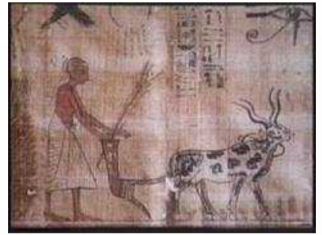
b) A new tool in the Harappan cities used to dig the earth
i) spade
ii) plough
iii) arrow
iv) iron spear
c) In the beginning the Rigveda was passed on to the next generation by
i) orally reciting and memorizing it
ii) in the form of written text
iii) keeping it a secret among a few
iv) by performing yajnas
d) Ashwamedha was a ritual to recognize the supremacy of a
i) horse
ii) sage
iii) king
iv) scribes
e) The agricultural tax which was fixed in the Mahajanpadas was
i)½
ii) 1/6th
iii) 1/4th
iv) 1/8th of the total produce
f) Karmakars were
i) landless agricultural labourers
ii) crafts men
iii) hunters
iv) farmers
g) Megaliths are
i) metals
ii) stone boulder
iii) grave sites
iv) copper pots
h) Pataliputra is present day
i) Palam
ii) Patna
iii) Pathankot
iv) Pilibhit
i) The Rigveda was composed by
i) sages
ii) kings
iii) dasyus
iv) scribes
Q2.Answer the following questions in one or two words
a) The river that flowed through Magadha.________________
b) It was the capital city of Vajji. ________________
c) The Rigveda has been composed in this language.____________
d) These were the people who knew how to write in the Harappan civilization. ________________
Q3.Answer the following questions
a) Describe a typical city in Harappan civilization.
c) Write a short note on megaliths. How are they helpful in determining the difference in social status?
d) How many Vedas are there? Name them. Which Veda is known as the oldest Veda? Write any three features of this Veda.
e) Differentiate between the life of a dasa and dasi with that of a Raja.
f) Why did the Rajas of the Mahajanapadas build forts?
g) How do we know that cotton was grown in Mohenjodaro?
History
You have studied about Bhimbetka rock shelter . Find out information about another such rock shelter of the world. Prepare a note on it along With some pictures.
Ln. 1 : What, Where, How and When
Fill in the blanks.
Question. The places where rice was first grown to the north of the ________________.
Answer : Vindhyas
Question. _________________ are smaller rivers that flow into larger river.
Answer : Tributaries
Question. _____________ river is Ganga’s tributary.
Answer : Son
Question. Some of the earliest cities flourished on the bank of _______________ river.
Answer : Indus
Question. The word India comes from the ______________ called _________________ in Sanskrit.
Answer : Indus Sindhu
Question. The name Bharata was mentioned in _____________________.
Answer : Rigveda
Question. The Latin word manes meaning _________________.
Answer : hand
Question. _____________________ are written in Sanskrit, Prakrit and Tamil.
Answer : manuscripts
Question. Those who study about remains of the past objects are called ___________________.
Answer : archaeologist
Question. BC stand for ________________________.
Answer : Before Christ
Question. AD stand s for _____________________ meaning in the year of the lord.
Answer : Anno Domini
Question. _________________ is a town on the north coast of Egypt.
Answer : Rosetta
Ln.2 On the trail of the earliest people.
Fill in the blanks.
Question. ______________________ were people who lived in the subcontinent as early as two million years ago.
Answer : Hunter gathers
Question. ________________ are places where the remains of things were found.
Answer : Sites
Question. Places where stone was found and where people made tools are known as _____________________.
Answer : Factory sites
Question. Traces of ash had been found in the ____________________.
Answer : Kurnool caves
Question. The changing of climate of the world around 12,000 years ago led to the development of _________________.
Answer : Grass land
Question. Archaeologist call the earliest period as the ______________________________ age.
Answer : Palaeolithic
Question. The word Palaeolithic comes from two Greek words _________________ and ___________________.
Answer : Palaeo Lithos
Question. Ostriches were found in India during the __________________________ period.
Answer : Palaeolithic period
Question. A number of earliest palaeolithic sites were found in ______________________.
Answer : Hunsgi
Question. Mesolithic period is also known as _________________.
Answer : Middle Stone age
Ln. 3 From Gathering to Growing Food
Fill in the blanks:
Question. The first animal to be tamed was the wild ancestor of the _____________.
Answer : dog
Question. The process in which people grow plants and look after animals is called ______________.
Answer : domestication
Question. Amongst animals that were relatively _________________ were selected for ___________________.
Answer : gentle breeding
Question. In Burzahom people built _____________________ which were dug in to the ground.
Answer : Pit houses
Question. Domestication began about _____________ years ago.
Answer : 12,000
Question. In _________________ man used polished tools and weapons.
Answer : Neolithic age
Question. Farmers and herders lived in groups called ____________________.
Answer : tribes
Question. Remains of square and rectangular houses were found at ________________________.
Answer : Mehrgarh
Question. The ceremony when a dead body is put into the ground is ____________________.
Answer : burial
Question. ___________________ and _________________ are used for grinding grains and other plant products.
Answer : Mortars pestles
Ln. 1 : What, Where, How and When
Fill in the blanks.
1. The places where rice was first grown to the north of the ________________.
Answer : Vindhyas
2. _________________ are smaller rivers that flow into larger river.
Answer : Tributaries
3. _____________ river is Ganga’s tributary.
Answer : Son
4. Some of the earliest cities flourished on the bank of _______________ river.
Answer : Indus
5. The word India comes from the ______________ called _________________ in Sanskrit.
Answer : Indus Sindhu
6. The name Bharata was mentioned in _____________________.
Answer : Rigveda
7. The Latin word manes meaning _________________.
Answer : hand
8. _____________________ are written in Sanskrit, Prakrit and Tamil.
Answer : manuscripts
9. Those who study about remains of the past objects are called ______________________.
Answer : archaeologist
10. BC stand for ________________________.
Answer : Before Christ
11. AD stand s for __________________________ meaning in the year of the lord.
Answer : Anno Domini
12. _________________ is a town on the north coast of Egypt.
Answer : Rosetta
Ln.2 On the trail of the earliest people.
Fill in the blanks.
1. _______________________ were people who lived in the subcontinent as early as two million years ago.
Answer : Hunter gathers
2. ________________ are places where the remains of things were found.
Answer : Sites
3. Places where stone was found and where people made tools are known as _____________________.
Answer : Factory sites
4. Traces of ash had been found in the _____________________________.
Answer : Kurnool caves
5. The changing of climate of the world around 12,000 years ago led to the development of _________________.
Answer : Grass land
6. Archaeologist call the earliest period as the ______________________________ age.
Answer : Palaeolithic
7. The word Palaeolithic comes from two Greek words _________________ and ___________________.
Answer : Palaeo Lithos
8. Ostriches were found in India during the __________________________ period.
Answer : Palaeolithic period
9. A number of earliest palaeolithic sites were found in ______________________.
Answer : Hunsgi
10. Mesolithic period is also known as ___________________________________.
Answer : Middle Stone age
Ln. 3 From Gathering to Growing Food
Fill in the blanks:
1. The first animal to be tamed was the wild ancestor of the _____________.
Answer : dog
2. The process in which people grow plants and look after animals is called _______________________.
Answer : domestication
3. Amongst animals that were relatively _________________ were selected for ___________________.
Answer : gentle breeding
4. In Burzahom people built _____________________ which were dug in to the ground.
Answer : Pit houses
5. Domestication began about _____________ years ago.
Answer : 12,000
6. In ________________________ man used polished tools and weapons.
Answer : Neolithic age
7. Farmers and herders lived in groups called ____________________.
Answer : tribes
8. Remains of square and rectangular houses were found at _______________
Answer : Mehrgarh
9. The ceremony when a dead body is put into the ground is ____________________.
Answer : burial
10. ___________________ and _________________ are used for grinding grains and other plant products.
Answer : Mortars pestles
Free study material for Social Science
CBSE Class 6 Social Science Worksheets for All Chapters
Mastering All Chapters with Printable Worksheets
Explore reliable practice questions for All Chapters tailored for Class 6 Social Science learners. Use these structured worksheets to evaluate exam preparedness and strengthen problem-solving skills throughout the 2026 academic session.
Verified Solutions and NCERT Alignment
Built using official NCERT guidelines for Class 6 Social Science, these practice sheets provide reliable academic support. Cross-reference your completed work with our detailed solutions to learn standard answer-writing formats for CBSE exams.
Additional Study Resources for Class 6 Social Science
Consistent engagement with these exercises builds familiarity with recurring exam themes. If specific areas within All Chapters cause trouble, utilize our dedicated NCERT solutions for Class 6 Social Science to clear up doubts immediately.
FAQs
You can download the latest chapter-wise printable worksheets for Class 6 Social Science All Chapters for free from StudiesToday.com. These have been made as per the latest CBSE curriculum for this academic year.
Yes, Class 6 Social Science worksheets for All Chapters focus on activity-based learning and also competency-style questions. This helps students to apply theoretical knowledge to practical scenarios.
Yes, we have provided solved worksheets for Class 6 Social Science All Chapters to help students verify their answers instantly.
Yes, our Class 6 Social Science test sheets are mobile-friendly PDFs and can be printed by teachers for classroom.
For All Chapters, regular practice with our worksheets will improve question-handling speed and help students understand all technical terms and diagrams.