

Download Class 4 English Practice Worksheets
Access comprehensive chapter-wise worksheets for Monkey Crocodile using the CBSE Class 4 English Monkey Crocodile Worksheet. Designed to align with the 2026-27 academic syllabus for Class 4 English, these printable practice sets help students reinforce key concepts and improve their overall exam readiness.
Access Monkey Crocodile Practice Papers and Solutions
Access the complete worksheet PDF for Class 4 English below. Regular practice with these targeted academic tasks builds familiarity with standard question patterns and helps secure higher marks in final school examinations.
The Monkey & the Crocodile Once there lived a monkey in a jamun tree by a river. The monkey was alone - he had no friends, no family, but he was happy and content. The jamun tree gave him plenty of sweet fruit to eat, and shade from the sun and shelter from the rain. One day a crocodile came swimming up the river and climbed on to the bank to rest under the monkey's tree. 'Hello', called the monkey, who was a friendly animal. 'Hello', replied the crocodile, surprised. 'Do you know where I can get some food?' he asked. 'I haven't had anything to eat all day - there just don't seem to be any fish left in the river.' 'Well,' said the monkey, 'I don't eat fish so I wouldn't know - but I do have plenty of ripe purple jamuns in my tree. Would you like to try some?' He threw some down to the crocodile. The crocodile was so hungry that he ate up all the jamuns even though crocodiles don't eat fruit. He loved the sweet tangy fruit and shyly asked whether he could have some more. 'Of course', replied the monkey generously, throwing down more fruit. 'Come back whenever you feel like more fruit', he added when the crocodile had eaten his fill. After that the crocodile would visit the monkey every day. The two animals soon became friends - they would talk and tell each other stories, and eat as much of the sweet jamuns as they wanted. The monkey would throw down all the fruit the crocodile wanted from his tree. One day the crocodile began talking about his wife and family. 'Why didn't you tell me earlier that you had a wife?' asked the monkey. 'Please take some of the jamuns for her as well when you go back today.' The crocodile thanked him and took some of the fruit for his wife. The crocodile's wife loved the jamuns. She had never eaten anything so sweet before. 'Imagine', she said, 'how sweet would be the creature who eats these jamuns every day. The monkey has eaten these every day of his life - his flesh would be even sweeter than the fruit.' She asked her husband to invite the monkey for a meal - 'and then we can eat him up' she said happily. The crocodile was appalled - how could he eat his friend? He tried to explain to his wife that he could not possibly eat the monkey. 'He is my only true friend', he said. But she would not listen - she must eat the monkey. 'Since when do crocodiles eat fruit and spare animals?' she asked. When the crocodile would not agree to eat the monkey, she pretended to fall very sick. 'Only a monkey's heart can cure me', she wailed to her husband. 'If you love me you will get your friend the monkey and let me eat his heart.' The poor crocodile did not know what to do - he did not want to eat his friend, but he could not let his wife die. At last he decided to bring the monkey to his wife. 'O dear friend', he called as soon as reached the jamun tree. 'My wife insists that you come to us for a meal. She is grateful for all the fruit that you have sent her, and asks that I bring you home with me.' The monkey was flattered, but said he could not possibly go because he did not know how to swim. 'Don't worry about that', said the crocodile. 'I'll carry you on my back.' The monkey agreed and jumped onto the crocodile's back. The crocodile swam with him out into the deep wide river. When they were far away from the bank and the jamun tree, he said, 'My wife is very ill. The only thing that will cure her is a monkey's heart. So, dear friend, this will be the end of you and of our friendship.' The monkey was horrified. What could he do to save himself? He thought quickly and said 'Dear friend, I am very sorry to hear of your wife's illness and I am glad that I will be able to help her. But I have left my heart behind on the jamun tree. Do you think we could go back so that I can fetch it for your wife?' The crocodile believed the monkey. He turned and swam quickly to the jamun tree. The monkey leaped off his back and into the safety of his tree. 'False and foolish friend,' he called. 'Don't you know that we carry our hearts within us? I will never trust you again or ever give you fruit from my tree. Go away and don't come back again.' The crocodile felt really foolish - he had lost a friend and a supply of good sweet fruit. The monkey had saved himself because he had thought quickly. He realised that a monkey and a crocodile could never be true friends - crocodiles preferred to eat monkeys rather than be friends with them. 1a) On the basis of the story, complete the information. Question 1a) i. The monkey was living in a jamun tree.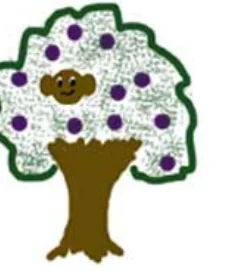
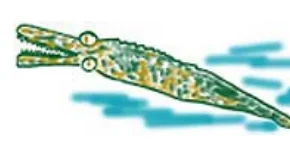
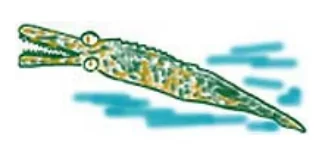
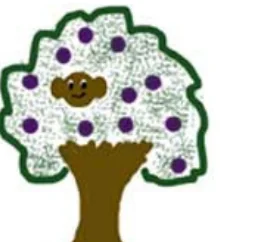
Answer: jamun
In simple words: The monkey made his home on a jamun tree by the river.
Exam Tip: Read the opening line of the passage carefully to identify locations and characters.
Question 1a) ii. He was very happy because he had plenty of sweet fruit to eat, and shade from the sun and shelter from the rain. But he has no friends.
Answer: he had plenty of sweet fruit to eat, and shade from the sun and shelter from the rain
In simple words: The monkey was content with nature's bounty even though he was lonely.
Exam Tip: Look for descriptive reasons given in the text immediately following character descriptions.
Question 1a) iii. I do not have enough food to eat - Said the crocodile.
Answer: crocodile
In simple words: The crocodile visited the tree because he was hungry and couldn't find fish in the river.
Exam Tip: Pay attention to dialogue tags and speaker attribution in the story.
Question 1a) iv. I do not eat fish. - Said the monkey.
Answer: monkey
In simple words: The monkey explained why he couldn't help the crocodile with fish, offering jamuns instead.
Exam Tip: Keep track of who speaks each line during conversations between characters.
Question 1a) v. Monkey had enough fruit to eat.
Answer: fruit / jamuns
In simple words: The jamun tree provided an abundant supply of food for the monkey.
Exam Tip: Fill in blanks using exact nouns mentioned in the context of the story.
Question 1a) vi. Come back when you feel like, said the monkey. One day the crocodile began to talk about his wife.
Answer: monkey
In simple words: The generous monkey invited the crocodile to return whenever he wanted more fruit.
Exam Tip: Match conversational offers to the character who made them.
Question 1a) vii. Sweet would be the creature who eats these jamun everyday, said crocodile's wife to crocodile.
Answer: crocodile's wife, crocodile
In simple words: The wicked wife concluded that the monkey's flesh must be sweeter than the fruit he ate.
Question 1a) viii. Then we can eat him up.
Answer: eat
In simple words: The crocodile's wife plotted to invite and consume the monkey.
Exam Tip: Complete phrases based on the villainous plot in the narrative.
Question 1a) ix. He is my only true friend, said the crocodile.
Answer: crocodile
In simple words: The crocodile defended his friend against his wife's evil demand initially.
Exam Tip: Identify internal conflicts faced by characters caught between loyalty and pressure.
Question 1a) x. But the wife- crocodile said - If you love me get your friend the monkey and let me eat his heart.
Answer: get your friend the monkey and let me eat his heart
In simple words: The wife emotionally manipulated the crocodile by faking illness and questioning his love.
Exam Tip: Quote exact emotional ultimatums used by characters in stories.
Question 1a) xi. Let me eat his heart.
Answer: heart
In simple words: The ultimate demand of the crocodile's wife was the monkey's heart.
Exam Tip: Remember key plot devices such as the requested cure.
Question 1a) xii. The monkey did not agree to go to his friend's house because he did not know how to swim.
Answer: he did not know how to swim
In simple words: The monkey initially declined the invitation due to his inability to cross the river unassisted.
Exam Tip: State logical reasons provided by characters for declining offers.
Question 1a) xiii. The monkey was terrified because the crocodile told him out in the river that his wife was ill and needed a monkey's heart to cure her.
Answer: the crocodile revealed his wife's plan to eat his heart as a cure for her illness
In simple words: Panic struck the monkey when he realized he was being taken to his death.
Exam Tip: Describe turning points and moments of sudden realization in stories.
Question 1a) xiv. He saved his life because of his presence of mind / quick thinking.
Answer: quick thinking / cleverness
In simple words: By claiming he left his heart on the tree, the monkey tricked the crocodile into returning to safety.
Exam Tip: Highlight character traits that resolve conflicts successfully.
Question 1b. Write down the moral of the story
Answer: Presence of mind and intelligence can save us from dangerous situations. Also, a wicked person can never be a true friend, and we should choose our companions wisely.
In simple words: Clever thinking helps overcome danger, and betrayal destroys friendship.
Exam Tip: State morals concisely using standard ethical life lessons.
Question 1c. Who do you think that he is a better person? Why?
Answer: The monkey is a better person because he was generous, kind, trusting, and helpful. He shared his food freely and forgave the crocodile initially, whereas the crocodile betrayed his trusting friend under his wife's pressure.
In simple words: The monkey is better because he showed true friendship and kindness, while the crocodile broke trust.
Question 1d. Find 5 adjectives for the monkey and for the crocodile.
Answer:
Monkey: 1. Generous 2. Friendly 3. Clever 4. Kind 5. Intelligent
Crocodile: 1. Foolish 2. Deceitful 3. Weak-willed 4. Greedy 5. Ungrateful
In simple words: Adjectives describe the personality traits of each character based on their behavior.
Exam Tip: Ensure adjectives accurately reflect character actions throughout the story.
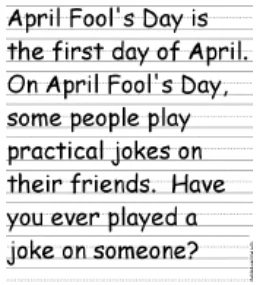
Question 2. Write a paragraph on April Fool's day. Some lines are given for example.
Answer: April Fool's Day is celebrated on the first day of April every year. On this day, people play harmless practical jokes and hoaxes on their friends, family members, and colleagues. The tradition brings laughter, joy, and lighthearted fun into daily life. When a trick is successfully played, people shout "April Fool!" to reveal the joke. It reminds everyone not to take life too seriously and to enjoy a good laugh together.
In simple words: April Fool's Day is a fun day for playing harmless jokes and sharing laughter with friends.
Exam Tip: Structure paragraph writing with an introduction, supporting details about traditions, and a concluding thought.
Question 3. Learn and memorise the poem. You are going to recite it in the class. (What To Do About Grandma by Rabindranath Tagore)
Answer: The poem describes a humorous situation where the speaker's grandmother snores extremely loudly at night, shaking the house, rattling windows, and sounding like an earthquake, freight train, or thunder clap, causing everyone to seek cover.
In simple words: The poem is a funny description of a grandmother's extraordinarily loud snoring.
What To Do About Grandma
When grandma goes to sleep at night,
I shut all the windows and doors.
I put cotton in my ears because, well,
my grandma snores.
She snores so loud it jiggles the house
and makes the shutters shake.
One time our neighbors ran out screaming -
they thought there was an earthquake.
Another time she snored so loud
our ears and noses bled.
Now everyone runs for cover
when my grandma goes to bed.
Yes, grandma's known for snoring.
She's known all over town.
Even power saws and freight trains
tell my grandma to pipe down.
She's louder than a motor bike
or a great big thunder clap.
Oh dear! Oh no! I've got to go!
It's time for grandma's nap!
Rabindranath Tagore
Exam Tip: Memorize rhythm and rhyming words when preparing poems for recitation.
Question 4. During summer season we need to use water judiciously. Very often you find taps are leaking, water is flowing from pipelines etc. Suggest some ways to preserve water at home.
Answer:
1. Promptly repair leaking taps, pipes, and flush tanks.
2. Turn off the tap while brushing teeth, soaping hands, or washing dishes.
3. Use a bucket instead of a running hose pipe to wash cars or water plants.
4. Collect rainwater in containers for cleaning and gardening purposes.
5. Reuse RO wastewater for mopping floors or watering plants.
In simple words: Save water by fixing leaks, turning off taps when not in use, and reusing wastewater.

Exam Tip: Provide practical, everyday conservation methods in clear bullet points.
Free study material for English
Free CBSE Practice Worksheets: Class 4 English Monkey Crocodile
Mastering Monkey Crocodile with Printable Worksheets
Review targeted practice exercises for Class 4 English Monkey Crocodile. Curated to match official CBSE guidelines, these printable problem sets support daily revision and improve overall test readiness.
Verified Solutions and NCERT Alignment
Built using official NCERT guidelines for Class 4 English, these practice sheets provide reliable academic support. Cross-reference your completed work with our detailed solutions to learn standard answer-writing formats for CBSE exams.
Additional Study Resources for Class 4 English
Consistent engagement with these exercises builds familiarity with recurring exam themes. If specific areas within Monkey Crocodile cause trouble, utilize our dedicated NCERT solutions for Class 4 English to clear up doubts immediately.
FAQs
You can download the latest chapter-wise printable worksheets for Class 4 English Monkey Crocodile for free from StudiesToday.com. These have been made as per the latest CBSE curriculum for this academic year.
Yes, Class 4 English worksheets for Monkey Crocodile focus on activity-based learning and also competency-style questions. This helps students to apply theoretical knowledge to practical scenarios.
Yes, we have provided solved worksheets for Class 4 English Monkey Crocodile to help students verify their answers instantly.
Yes, our Class 4 English test sheets are mobile-friendly PDFs and can be printed by teachers for classroom.
For Monkey Crocodile, regular practice with our worksheets will improve question-handling speed and help students understand all technical terms and diagrams.