

Multiple Choice Questions (MCQs) for NEET Chemistry: Alcohols Phenols and Ethers
Review structured MCQ sets for NEET Chemistry Alcohols Phenols and Ethers. Built according to official NEET guidelines, these downloadable questions support daily revision and core concept reinforcement.
Practice Alcohols Phenols and Ethers MCQs for NEET Chemistry
View or download the dedicated Alcohols Phenols and Ethers MCQ resource below. Practicing these 50 objective questions regularly builds familiarity with standard exam patterns and helps secure higher marks in final Chemistry evaluations.
Question: Which among the following is alcohol?
- a)

- b)
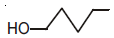
- c)

- d)

Answer:
Question: Which one is ether?
- a)

- b)
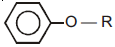
- c)
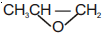
- d) All of these
Answer: All of these
Question: Which one is phenol?
- a)
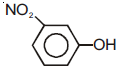
- b)
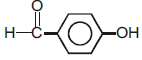
- c)
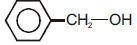
- d)

Answer:
Question: IUPAC name of HOCH2CH2OH is:
- a) Ethylene glycol
- b) Ethane-1,2-diol
- c) Ethyl-1,2-diol
- d) Ethylene diol
Answer: Ethane-1,2-diol
Question: IUPAC name of

is
- a) Ethyl propyl ether
- b) Propyl elhoxide
- c) Ethoxy propane
- d) Propoxy ethane
Answer: Ethoxy propane
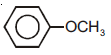
Question: IUPAC name of

is
- a) Benzyl ethoxide
- b) Ethoxy benzyl
- c) Benzene ethoxide
- d) Ethoxy benzene
Answer: Ethoxy benzene
Question: Which among the following show tautomerism?
- a) Alcohols
- b) Phenol
- c) Ethers
- d) Anisole
Answer: Phenol
Question: Alcohols and ethers are
- a) Position isomers
- b) Functional isomers
- c) Chain isomers
- d) Metamers
Answer: Functional isomers
Question: Which one will be optically active?
- a)
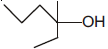
- b)

- c)

- d)

Answer:
Question: Which one is optically active aromatic ether?
- a)
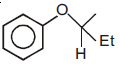
- b)
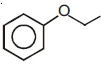
- c)
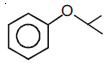
- d)

Answer:
Question: How many minimum number of carbons are needed for an optically active ether?
- a) 2
- b) 3
- c) 4
- d) 5
Answer: 5
Question: 3° alkyl halides form alcohols preferably via
- a) SN2
- b) SN1
- c) Transition state
- d) SNi
Answer: SN1
Question: ROH + SOCl2 ——→ ?
The final product is
- a) Alkyl chloride
- b) Alkyl sulphate
- c) Alkene
- d) Ether
Answer: Alkyl chloride
Question: Which one is preferable reagent for given reaction?
R CH2— X —→ HO — CH2R
- a) (H2O + KOH)
- b) (ROH + KOH)
- c) (ROH + KOH) / Δ
- d) (H2O + KOH) / Δ
Answer: (H2O + KOH)
Question: SN1 mechanism is observed in
- a)
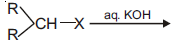
- b)

- c)

- d)

Answer:
Question:

Reaction happens via
- a) SN1
- b) SN2
- c) SNi
- d) ArSN1
Answer: SN1
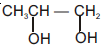
Question:

major product is
- a)
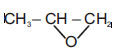
- b)

- c) CH3CH2CH2OH
- d)
Answer:
Question:

Product (B) is
- a) RCHO + HCHO
- b) RCHO + HCOOH
- c) RCOOH + HCOOH
- d) RCH2OH + CH3OH
Answer: RCH2OH + CH3OH
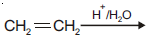
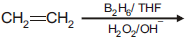
Question: Reaction involving anti addition is
- a)
- b)

- c)

- d)
Answer:
Question: Grignard reagent is suitable reagent for the preparation of which of the following, from carbonyl compound?
- a) 1° alcohols
- b) 2° alcohols
- c) 3° alcohols
- d) All of these
Answer: All of these
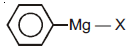
Question:

A is
- a)
- b)

- c)

- d)
Answer:
Question:
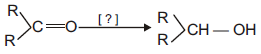
Here reagent is
- a) LiAlH4
- b) NaBH4
- c) Ni/H2
- d) All of these
Answer: All of these
Question:
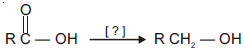
Here reagent is
- a) LiAlH4
- b) NaBH4
- c) Both (1) & (2)
- d) Red P/HI
Answer: LiAlH4
Question: Boiling point will be least for
- a)

- b)

- c)

- d)

Answer:
Question: Which one is most viscous?
- a)

- b)

- c)
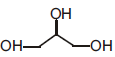
- d)

Answer:
Question: Lowest boiling point is for
- a) Butanol
- b) Pentanol
- c) 2-methyl propane-2-ol
- d) 2-methyl butane-2-ol
Answer: 2-methyl propane-2-ol
Question:
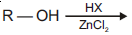
- a)
R — X
- b) Alkene
- c) Both (1) & (2)
- d) No product
Answer: R — X
Question: 1° alcohols preferably undergo dehydration via
- a) E1
- b) E2
- c) SN1
- d) SN2
Answer: E2
Question: Which one is inter-molecular dehydration?
- a)

- b)

- c)

- d)

Answer:
Question: Order of nucleophilicity is
- a) CH3O– < C2H5O–
- b) C2H5O– < C2H5S–
- c) CH3O– < CH3S–
- d) All of these
Answer: All of these
More Questions............................................
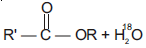
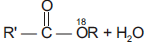
Question:
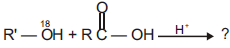
Products are
- a)
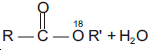
- b)
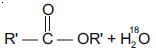
- c)
- d)
Answer:
Question: Lucas test is used to distinguish
- a) Phenols
- b) Ethers
- c) Alcohols
- d) Alkyl halides
Answer: Alcohols
Question: In Lucas test immediate turbidity is caused by
- a) 3° alcohols
- b) 2° alcohols
- c) 1° alcohols
- d) Phenol
Answer: 3° alcohols
Question: Phenols can be distinguished from alcohols by
- a) FeCl3(neutral)
- b) Fehling solution
- c) Tollen’s reagent
- d) 2,4-DNP
Answer: FeCl3(neutral)
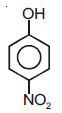
Question: Most acidic among the following is
- a)

- b)

- c)

- d)
Answer:
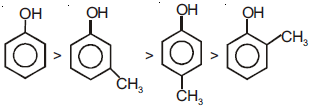
Question: Correct acidic order of acidity is
- a)
- b)
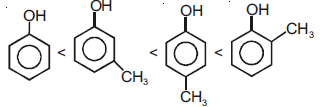
- c)
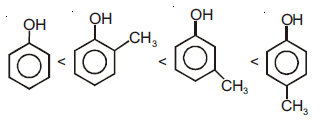
- d)
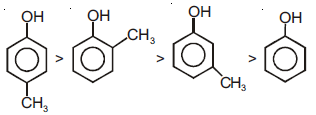
Answer:
Question:
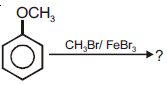
major product is
- a)

- b)

- c)
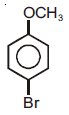
- d)
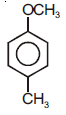
Answer:
Question:
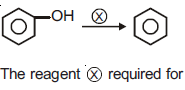
above conversion is
- a) LiAlH4
- b) Zn
- c)

- d) NaBH4
Answer: Zn
Question: In Reimer-Tiemann reaction, the major product is
- a) Ortho isomer due to intra molecular H-bonding
- b) Meta isomer
- c) Para isomer due to symmetry
- d) None of these
Answer: Ortho isomer due to intra molecular H-bonding
Question: Electrophile in Reimer-Tiemann reaction
- a) CHCl3
- b) : CH2
- c) : CCl2
- d) CO2
Answer: : CCl2
Question: Molecule which does not oxidise using PCC
- a)

- b)

- c)

- d)

Answer:
Question: Which one of the following is best Lewis base?
- a)

- b)

- c)

- d)

Answer:
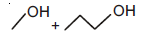
Question:

Product/(s) will be:
- a)

- b)
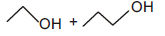
- c)
- d)

Answer:
Question:
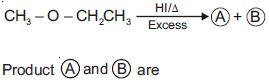
- a) CH3OH + CH3CH2I
- b) CH3I + CH3CH2OH
- c) CH3I + CH3CH2I
- d) CH3OH + CH3CH2OH
Answer: CH3I + CH3CH2I
Question:

X and Y respectively are
- a) Toluene, propene
- b) Toluene, propylchloride
- c) Phenol, acetone
- d) Phenol, acetaldehyde
Answer: Phenol, acetone
Question:
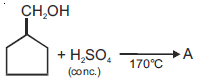
What is the major product A?
- a)

- b)

- c)

- d)

Answer:
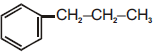
Question:

What is the major product B?
- a)
- b)
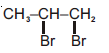
- c)
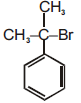
- d)
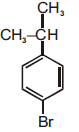
Answer:
Question: Which of the following is the correct increasing order of boiling point of following compounds?

- a) II < I < III
- b) III < II < I
- c) I < II < III
- d) II < III < I
Answer: III < II < I
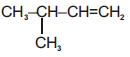
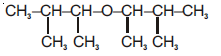
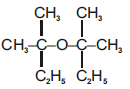
Question:
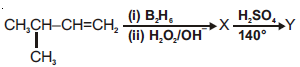
What is Y?
- a)

- b)
- c)
- d)
Answer:
Question: Which of the following is the correct ease of dehydration?
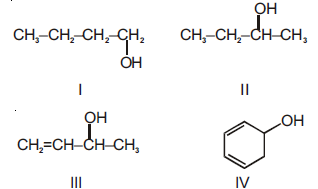
- a) I > III > II > IV
- b) IV > III > II > I
- c) IV > II > III > I
- d) III > IV > II > I
Answer: IV > III > II > I
Question:
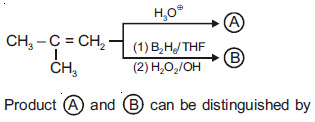
- a) Sodium metal
- b) Neutral FeCl3
- c) Lucas reagent
- d) Esterification reaction
Answer: Lucas reagent
Question:
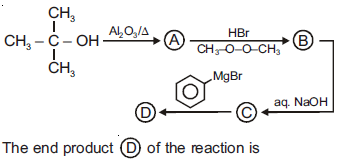
- a)

- b)
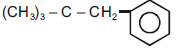
- c)

- d)
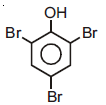
Answer:
Question: Consider the following reaction :

The product Z is
- a) Benzene
- b) Toluene
- c) Benzaldehyde
- d) Benzoic acid
Answer: Benzoic acid
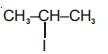
Question:
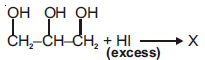
What is X?
- a)
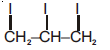
- b)
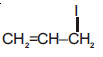
- c)
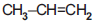
- d)
Answer:
Question:

What is Y?
- a)

- b)

- c)

- d)

Answer:
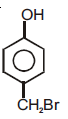
Question:
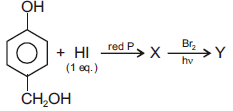
What is Y?
- a)
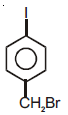
- b)
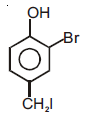
- c)
- d)

Answer:
Question: Which of the following will not give positive test with neutral FeCl3?
- a) Nitrophenol
- b) Phenol
- c) Allyl alcohol
- d) o-cresol
Answer: Allyl alcohol
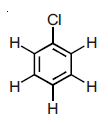
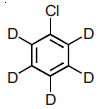
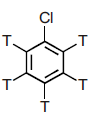
Question: In Dow's process haloarene is converted to phenol with fused NaOH. The most reactive compound is
- a)
- b)
- c)
- d) All are equally reactive
Answer:
Question: Among the following four compounds
a. Phenol
b. Methyl phenol
c. Meta nitrophenol
d. Para nitrophenol
The acidity order is
- a) d > c > a > b
- b) c > d > a > b
- c) a > d > c > b
- d) b > a > c > d
Answer: d > c > a > b
Question: Reaction of t-butyl bromide with sodium methoxide produces
- a) Sodium t-butoxide
- b) t-butyl methyl ether
- c) Isobutane
- d) Isobutylene
Answer: Isobutylene
Multiple Choice Questions (MCQs) for NEET Chemistry Alcohols Phenols and Ethers
Chapter MCQs with Answers for NEET Chemistry
Test your conceptual understanding of Alcohols Phenols and Ethers with these targeted multiple-choice questions. Designed in alignment with the latest NEET curriculum for NEET Chemistry, these problem sets build accuracy and prepare students for objective exams.
Expert Practice Material for NEET Chemistry
Each question includes structured solution keys mapped directly to standard NEET textbooks, helping students evaluate their reasoning and correct mistakes early in their revision.
Complete Your Chapter Revision
Follow up your worksheet practice by attempting the interactive online Chemistry MCQ test for this chapter to evaluate your execution speed. All platform resources are free to access.
FAQs
You can get most exhaustive NEET Chemistry Alcohols Phenols and Ethers MCQs Set 01 for free on StudiesToday.com. These MCQs for NEET Chemistry are updated for the 2026-27 academic session as per NEET examination standards.
Yes, our NEET Chemistry Alcohols Phenols and Ethers MCQs Set 01 include the latest type of questions, such as Assertion-Reasoning and Case-based MCQs. 50% of the NEET paper is now competency-based.
By solving our NEET Chemistry Alcohols Phenols and Ethers MCQs Set 01, NEET students can improve their accuracy and speed which is important as objective questions provide a chance to secure 100% marks in the Chemistry.
Yes, Chemistry MCQs for NEET have answer key and brief explanations to help students understand logic behind the correct option as its important for 2026 competency-focused NEET exams.
Yes, you can also access online interactive tests for NEET Chemistry Alcohols Phenols and Ethers MCQs Set 01 on StudiesToday.com as they provide instant answers and score to help you track your progress in Chemistry.