

Class 5 Environmental Studies Practice Sheet: CBSE Class 5 EVS Walls Tell Stories Worksheet Set 01
Access comprehensive chapter-wise worksheets for Chapter 10 Walls Tell Stories using the CBSE Class 5 EVS Walls Tell Stories Worksheet Set 01. Designed to align with the 2026-27 academic syllabus for Class 5 Environmental Studies, these printable practice sets help students reinforce key concepts and improve their overall exam readiness.
Download Chapter 10 Walls Tell Stories Worksheet PDF with Answers
Navigate directly to the solved Environmental Studies worksheets using the digital viewer below. Each practice set includes detailed step-by-step solutions, allowing students to instantly cross-check their work and identify areas requiring further revision.
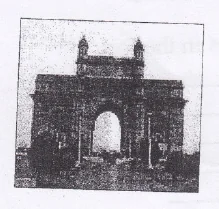
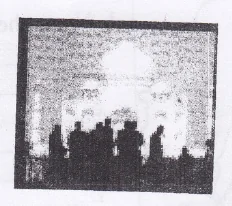
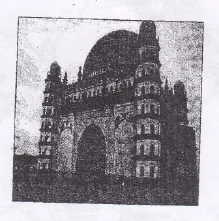
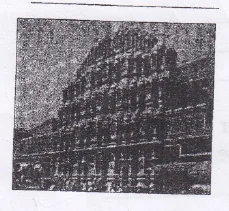
Question 1. Name the following monuments and their location:
Answer: 1. Gateway of India - Mumbai, Maharashtra
2. Taj Mahal - Agra, Uttar Pradesh
3. Gol Gumbaz - Vijayapura (Bijapur), Karnataka
4. Sun Temple - Konark, Odisha
5. Red Fort - Delhi
6. Brihadeeswara Temple (Big Temple) - Thanjavur, Tamil Nadu
7. India Gate - New Delhi
8. Victoria Memorial - Kolkata, West Bengal
9. Qutub Minar - New Delhi
In simple words: These are famous historical buildings and structures located across different parts of India.
Exam Tip: Memorize the names and cities of major historical monuments as they frequently appear in visual identification questions.
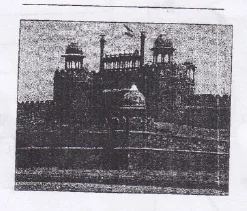
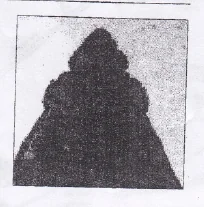
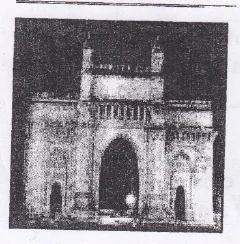
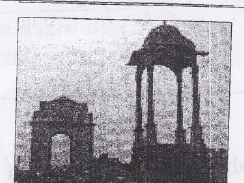
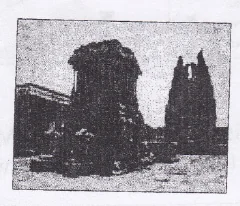
Question 2. These monuments speak a lot about our history. Explain:
Answer: Historical monuments are tangible windows into our past. They reveal the architectural brilliance, artistic skills, and technological advancement of the rulers and craftsmen of different eras. By studying the inscriptions, materials used, coins found, and structural designs, historians can understand the socioeconomic conditions, religious beliefs, political systems, and daily lives of people who lived centuries ago.
In simple words: Old buildings tell us stories about how people lived, fought, built, and worshipped in the past.
Exam Tip: Focus on keywords like architecture, inscriptions, materials, and cultural heritage when explaining the historical importance of monuments.
Read the route map in Golconda fort and answer the following:
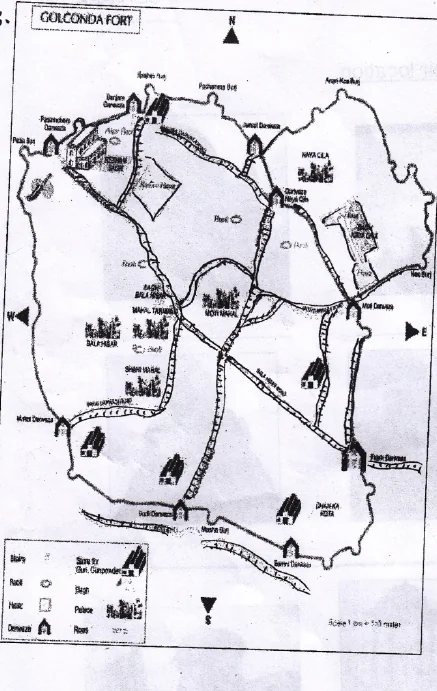
Question 3. 1. Name the gates in the fort.
a.
b.
c.
d.
e.
f.
g.
h.
i.
Answer: a. Fateh Darwaza
b. Moti Darwaza
c. Banjara Darwaza
d. Makai Darwaza
e. Patancheru Darwaza
f. Hydermadi Darwaza
g. Kamli Darwaza
h. Khirki Darwaza
i. Ali Morteza Darwaza
In simple words: Golconda Fort has several large entry gates built for security and defense.
Exam Tip: Fort maps usually highlight major entry points called 'Darwazas' which served as strategic military checkposts.
Question 3. 2. Name the water arrangements found inside the fort
Answer: The water arrangements found inside Golconda Fort include tanks (talis), stepwells (baolis), wells, and an elaborate Persian wheel system used to lift water to higher levels of the fort for gardens and daily use.
In simple words: The fort had clever systems of stepwells, tanks, and water channels to ensure a steady supply of water.
Exam Tip: Mention baolis (stepwells) and tanks as key ancient water management structures.
Question 3. 3. In which side of the fort can you see Moti Darwaza? (Direction)
Answer: Moti Darwaza is located on the western side of the fort.
In simple words: Moti Darwaza is situated towards the west on the fort map.
Exam Tip: Always look at the compass rose (North arrow) on the map before identifying directions.
Question 4. If the distance between Moti Mahal and Bodli Darwaza is 6 cms on the map, what is the actual distance between them? (Scale: 1 cm = 110 metre)
Answer: Map distance = 6 cm
Scale = 1 cm representing 110 metres
Actual distance = \(6 \times 110 = 660\) metres
In simple words: Multiply the map distance in centimeters by the scale value (110 metres) to get the actual ground distance.
Exam Tip: Always multiply the given map measurement by the given scale factor to find actual distance.
Question 5. Draw the signs seen in the map:
Darwaza ____________________
Bagh ____________________
Storage for ammunition ____________________
Road ____________________
Answer: Darwaza - Symbolized as a fortified gate arch or gap in the thick wall line.
Bagh - Symbolized by tree icons or green shaded garden enclosures.
Storage for ammunition - Symbolized by designated special blocks or storehouse icons.
Road - Symbolized by double parallel lines or solid paths connecting locations.
In simple words: Map symbols represent real-world objects like gates, gardens, storehouses, and paths using simple drawings.
Exam Tip: Practice drawing standard cartographic symbols as given in the map legend.
Question. Sagar went up to the terrace of his house and dropped down a stone tied to a string as shown in the figure. Sagar is trying.

(a) to find out the weight of the stone
(b) to find out the height of the house
(c) to find out the total length of the string
(d) to find out in which direction the wind is blowing
Answer : B
Question. Which instrument was used during medieval time by the soldiers posted at bastions of forts to see or trace out the enemies from far away?
(a) Telescope
(b) Microscope
(c) Spectacles
(d) Can be seen through naked eye
Answer : A
Question. In the map shown above, which of these traffic signs should be put in the place of the word SIGN?

Answer : C
Question. Which of these would be a good way to slow down loss of soil from a hill?
(a) Growing grass on the hill slope.
(b) Cutting down the tallest trees on the hill.
(c) Building a fence on the top of the hill.
(d) Digging deep trenches (holes) in the hill.
Answer : A
Question. Assuming the bricks used are identical, which of these three walls will be arranged in proper way ?

Answer : B
Question. In which arrangement will the person find it easiest to move the rock? (The rock and stick are identical in all cases.)

Answer : A
Question. Who built the Fort of Golconda?
a) Lodhi Dynasty
b) Khilji dynasty
c) Tughlaq dynasty
d) QutubShahi dynasty
Answer : D
Question. The gun placed in Golconda Fort was made of__________.
a) Copper
b) iron
c) steel
d) bronze
Answer : B
Question. What do you understand by the term" carving"?
a) painting on walls.
b) the cutting of material such as stone, wood or walls to form a design
c) engraving on walls
d) drawing done on walls
Answer : B
Question. Fill in the blanks
1.There were beautiful ___________ on the walls of Golconda Fort.
Answer : 1. Burj
Question. Answer in one word
1. Subject in which we study about past.
2. A part of wall coming out in round shape.
3. A place where old items are displayed.
Answer : 1. History 2. Bastion 3. Museum
Question. State whether true or false
1.There are 10 palaces inside Golconda Fort.
2. Golconda Fort has very thin walls.
3. In the year 200 A.D. the Golconda fort was made of bricks.
Answer : 1. False (there are five palaces.) 2. True 3. False(Mud)
Download Class 5 Environmental Studies Chapter 10 Walls Tell Stories Practice Worksheets
Download Chapter Worksheets: Class 5 Environmental Studies
Explore reliable practice questions for Chapter 10 Walls Tell Stories tailored for Class 5 Environmental Studies learners. Use these structured worksheets to evaluate exam preparedness and strengthen problem-solving skills throughout the 2026 academic session.
Concept Clarification for Chapter 10 Walls Tell Stories
Built using official NCERT guidelines for Class 5 Environmental Studies, these practice sheets provide reliable academic support. Cross-reference your completed work with our detailed solutions to learn standard answer-writing formats for CBSE exams.
Effective Revision Strategies for School Exams
Wrap up your chapter revision by testing your knowledge against standard objective question formats. Explore our full library of free, up-to-date printable assignments to maximize your academic results in upcoming CBSE evaluations.
FAQs
You can download the latest chapter-wise printable worksheets for Class 5 Environmental Studies Chapter 10 Walls Tell Stories for free from StudiesToday.com. These have been made as per the latest CBSE curriculum for this academic year.
Yes, Class 5 Environmental Studies worksheets for Chapter 10 Walls Tell Stories focus on activity-based learning and also competency-style questions. This helps students to apply theoretical knowledge to practical scenarios.
Yes, we have provided solved worksheets for Class 5 Environmental Studies Chapter 10 Walls Tell Stories to help students verify their answers instantly.
Yes, our Class 5 Environmental Studies test sheets are mobile-friendly PDFs and can be printed by teachers for classroom.
For Chapter 10 Walls Tell Stories, regular practice with our worksheets will improve question-handling speed and help students understand all technical terms and diagrams.